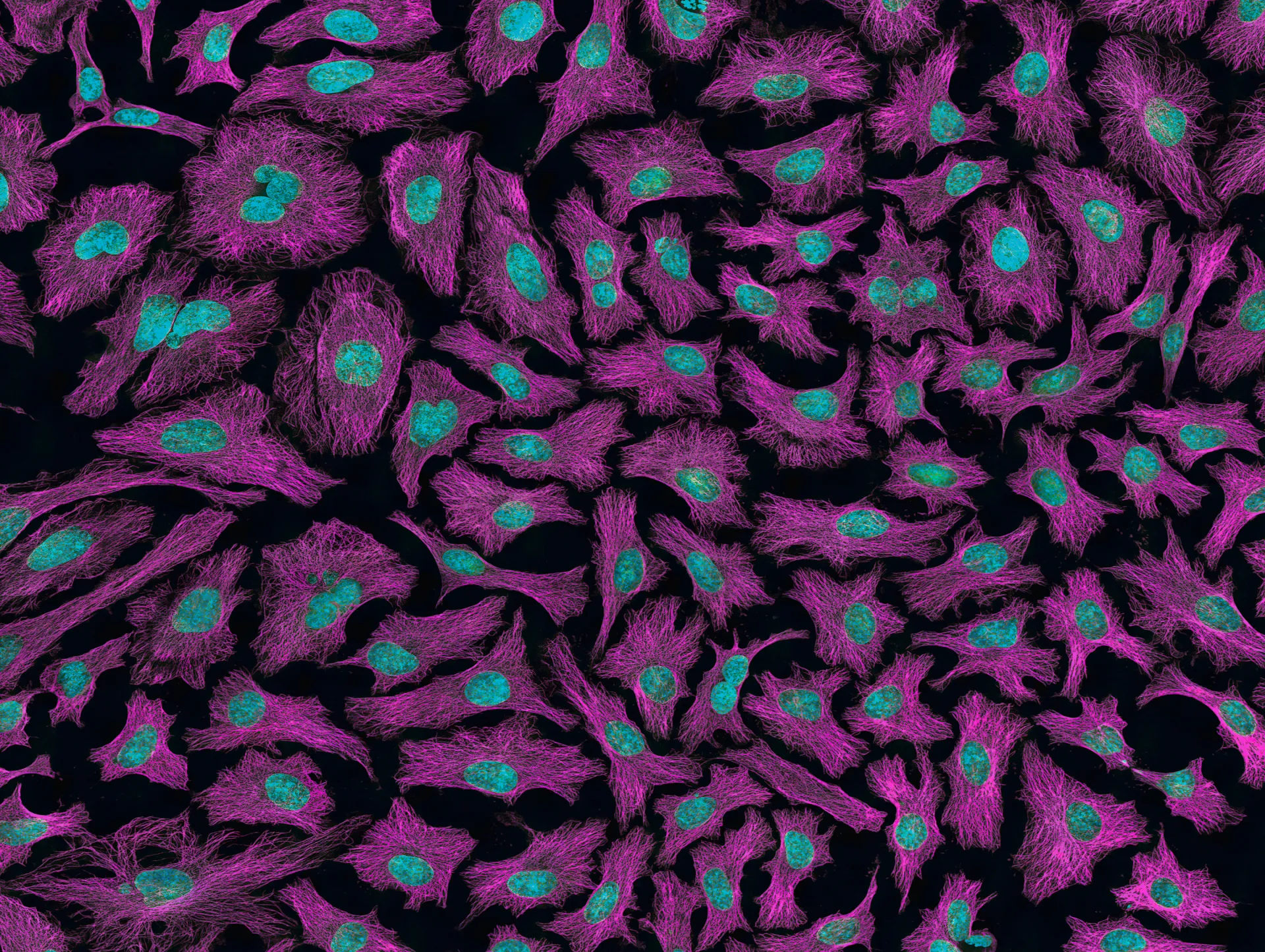
Skin cancer occurs when abnormal cells in the skin grow uncontrollably. It is one of the most common forms of cancer worldwide and can affect people of all ages, although the risk increases with cumulative exposure to ultraviolet (UV) radiation from the sun or artificial sources such as tanning beds.
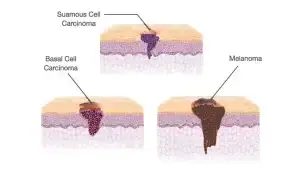
Skin cancer is broadly split in two groups: Melanoma Skin Cancer and Non-Melanoma Skin Cancer (NMSC). The most common types of NMSC are Basal Cell Carcinoma (BCC) and Squamous Cell Carcinoma (SCC), both are keratinocyte carcinomas and originate in the outermost layer of skin, the epidermis. While they all begin in the skin, they develop from different cell types and behave differently. Understanding these differences can help support early detection and appropriate treatment.
Basal Cell Carcinoma (BCC)
Basal cell carcinoma is the most common form of skin cancer. It develops from basal cells in the deepest layer of the epidermis and usually grows slowly. BCC rarely spreads to other parts of the body, but if left untreated it can continue to grow and damage nearby skin and underlying tissues. Early diagnosis and treatment generally lead to positive outcomes.
Common signs include a pearly or shiny bump, a pink or red patch, a persistent sore that does not heal and/or a lesion that bleeds or crusts repeatedly
Squamous Cell Carcinoma (SCC)
Squamous cell carcinoma develops from squamous cells located in the upper layers of the skin. It is the second most common type of skin cancer and is often associated with long-term sun exposure. Compared with BCC, SCC has a greater potential to grow more quickly and, in some cases, spread to nearby lymph nodes or other parts of the body if not treated promptly.
Possible signs include a firm, red lump, a scaly or crusted patch of skin that may be sore and does not heal and/or a tender or thickened area of skin.
Melanoma
Melanoma is less common than BCC and SCC, but it is the most serious type of skin cancer because it has a greater likelihood of spreading to other parts of the body. It develops from melanocytes, the cells responsible for producing the pigment that gives skin its colour. When detected early, melanoma is highly treatable, making regular skin checks and prompt assessment of changing moles especially important.
The ABCDE guide can help identify suspicious moles:
- Asymmetry
- Border irregularity
- Colour variation
- Diameter greater than 6 mm (although melanomas can be smaller)
- Evolving or changing in size, shape, colour or symptoms
Less Common Skin Cancers
Although BCC, SCC and melanoma account for the vast majority of skin cancers, there are several rarer types, including Merkel cell carcinoma, cutaneous lymphoma, dermatofibrosarcoma protuberans (DFSP) and angiosarcoma. These cancers are uncommon and often require specialist assessment and management.
Early Detection Matters
Regardless of the type, early detection offers the best opportunity for successful treatment. If you notice a new skin lesion, a sore that does not heal, or a mole that changes in appearance, arrange an assessment with your doctor or dermatologist. Regular skin examinations are particularly important for people with significant sun exposure, fair skin, a history of skin cancer, or a family history of melanoma.
This information is intended for educational purposes only and should not replace professional medical advice. Treatment decisions should always be made in consultation with a qualified healthcare professional.
Sources:
- Cancer Council Australia. About Skin Cancer. Available at: https://www.cancer.org.au/types-of-cancer/skin-cancer/about-skin-cancer (accessed August 2026).
- The Australasian College of Dermatologists. Skin Cancer – An Overview. Available at: https://www.dermcoll.edu.au/atoz/skin-cancer-overview/ (accessed August 2026).
- Cancer Australia. Melanoma of the skin. Available at: https://www.canceraustralia.gov.au/cancer-types/melanoma-skin (accessed August 2026).
- Cancer Council Australia. Skin Cancer Types. Available at: https://www.cancer.org.au/about-us/policy-and-advocacy/prevention/uv-radiation/related-resources/skin-cancer-types (accessed August 2026).