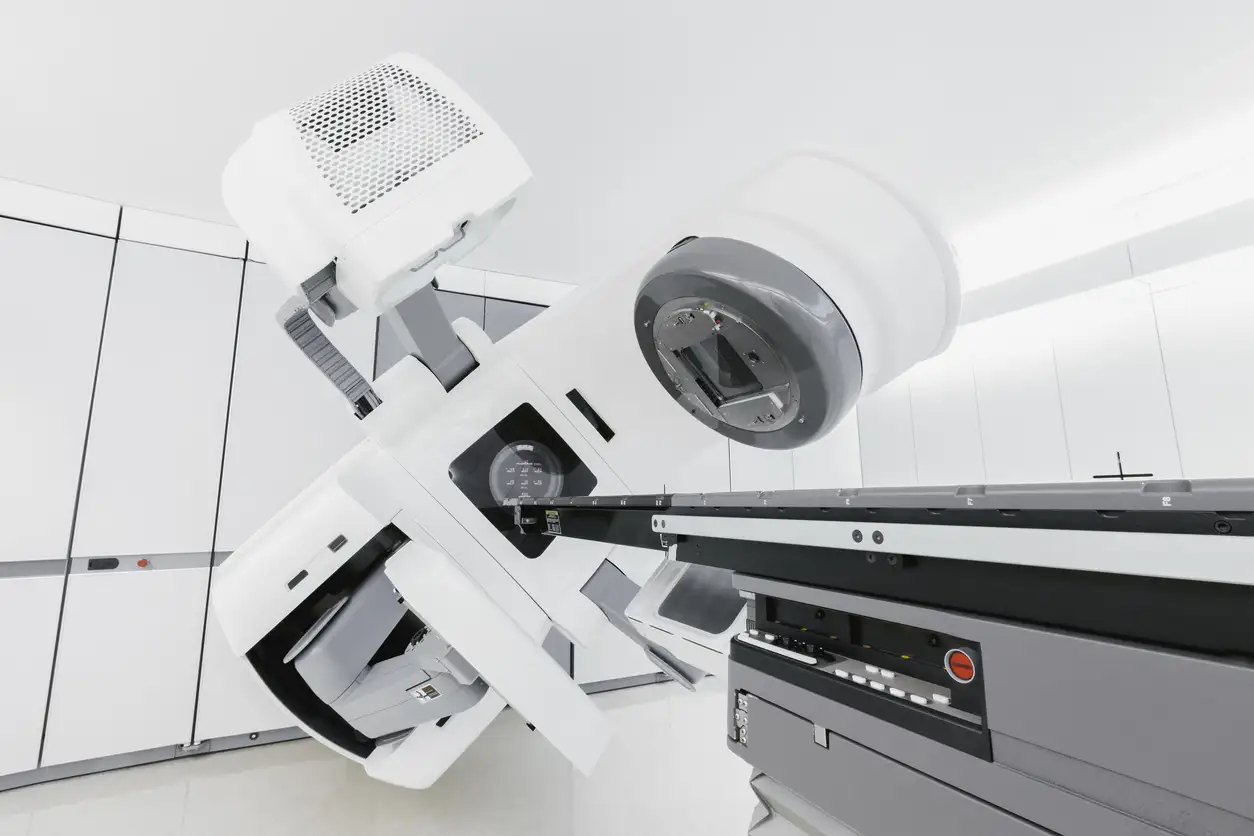

Empowering patients with innovative, personalised therapy
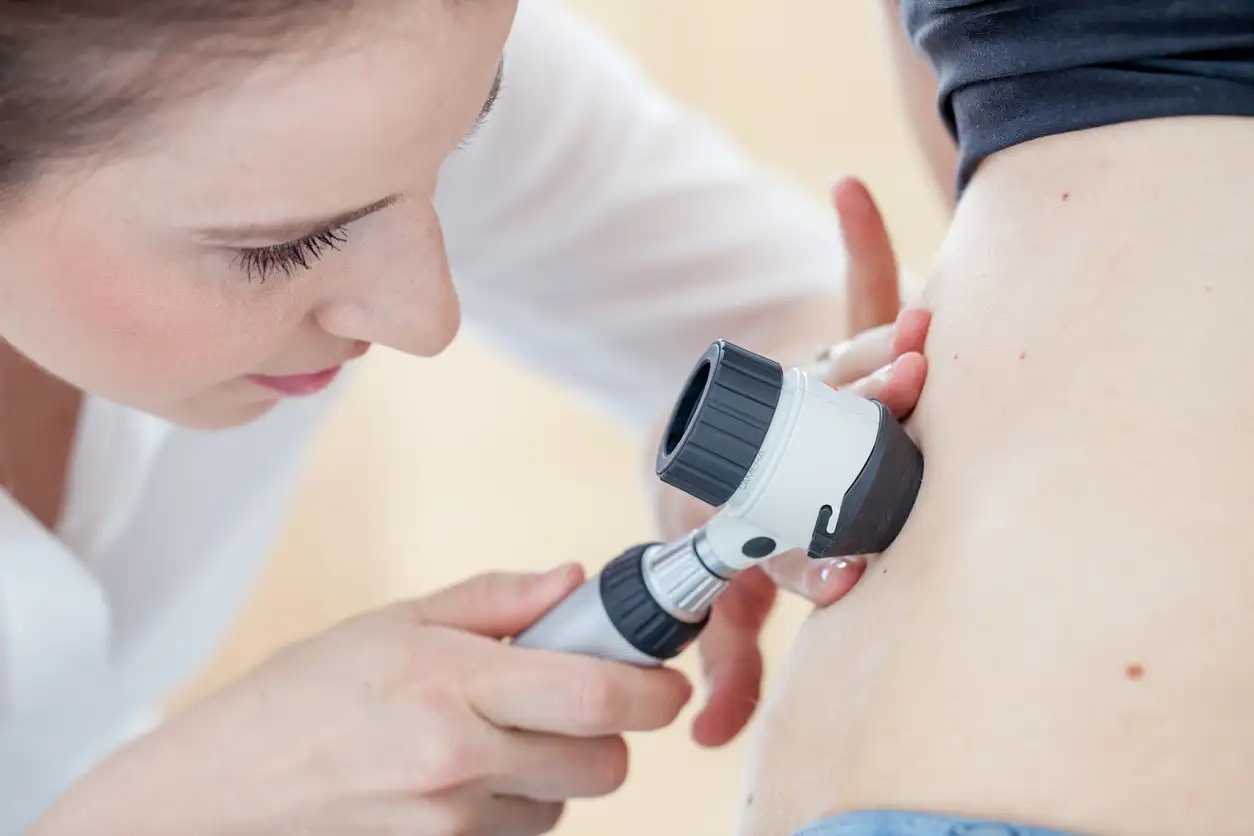
Non-Melanoma Skin Cancer
Skin cancer is one of the most common types of cancer worldwide.1 Non-melanoma skin cancer (NMSC) includes conditions such as basal cell carcinoma (BCC) and squamous cell carcinoma (SCC), which are often highly treatable when detected early.
Discover more about non-melanoma skin cancer by exploring our Your Health content.
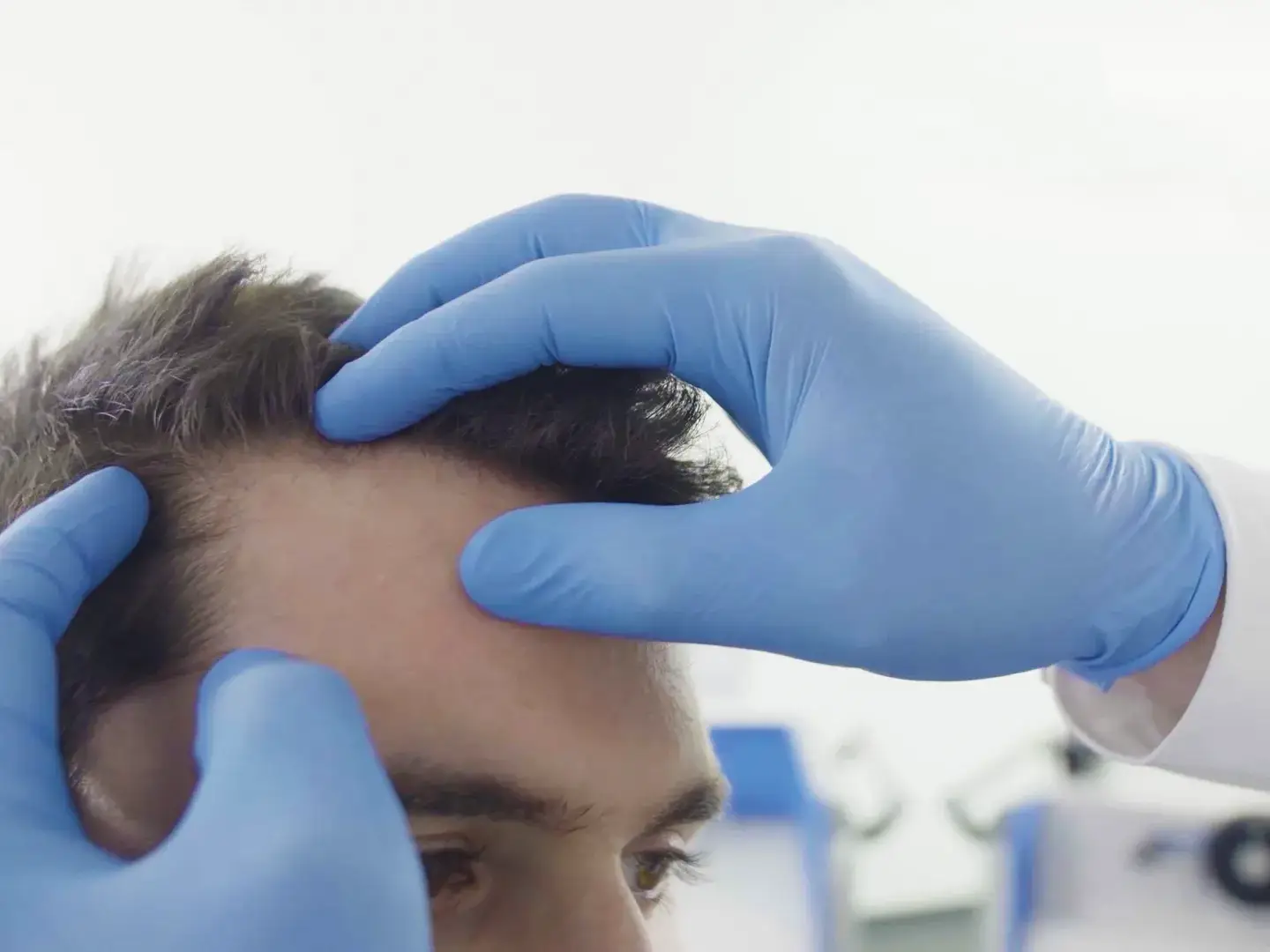
A treatment approach designed to support informed decision-making
A diagnosis of non-melanoma skin cancer can bring understandable concerns – not only about removing the cancer, but also about pain, healing time, and how your skin will look afterwards. Many traditional treatments involve cutting the skin, which may require stitches and can leave visible scarring. For cancers on highly visible areas such as the face, nose, ears or scalp, cosmetic outcomes are often an important part of the decision-making process.
Non-invasive treatments may offer an alternative approach. By targeting the tumour directly while preserving as much healthy surrounding tissue as possible, they can reduce the need for incisions and sutures. This may help minimise discomfort during and after treatment, shorten recovery time, and support a favourable cosmetic result.2
Every person and every skin cancer is different. Your doctor is the best person to explain the treatment options available to you – including the potential benefits and risks – so you can make a decision that aligns with both your medical needs and your personal preferences.

Choosing a therapy
There is no single best therapy option for treating NMSC. We recommend you discuss all your preferred treatment options with your doctor, and together you can make an informed decision.
When choosing a therapy, you and your doctor will likely consider the following factors:
- Type of tumour
- Location of lesion
- Expansion area
- Infiltration depth and/or thickness
- Possible metastasis
- General health, underlying disease and age
- Available time and treatment adherence
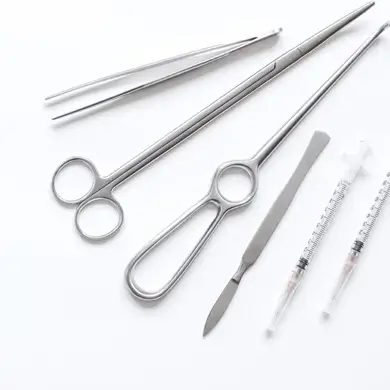
Surgical Therapies
Surgical therapies are commonly used to remove NMSCs by cutting out the tumour along with a margin of surrounding tissue. The specific technique and extent of surgery depend on factors such as the type, size, location, and depth of the cancer.
Pharmacological Therapies
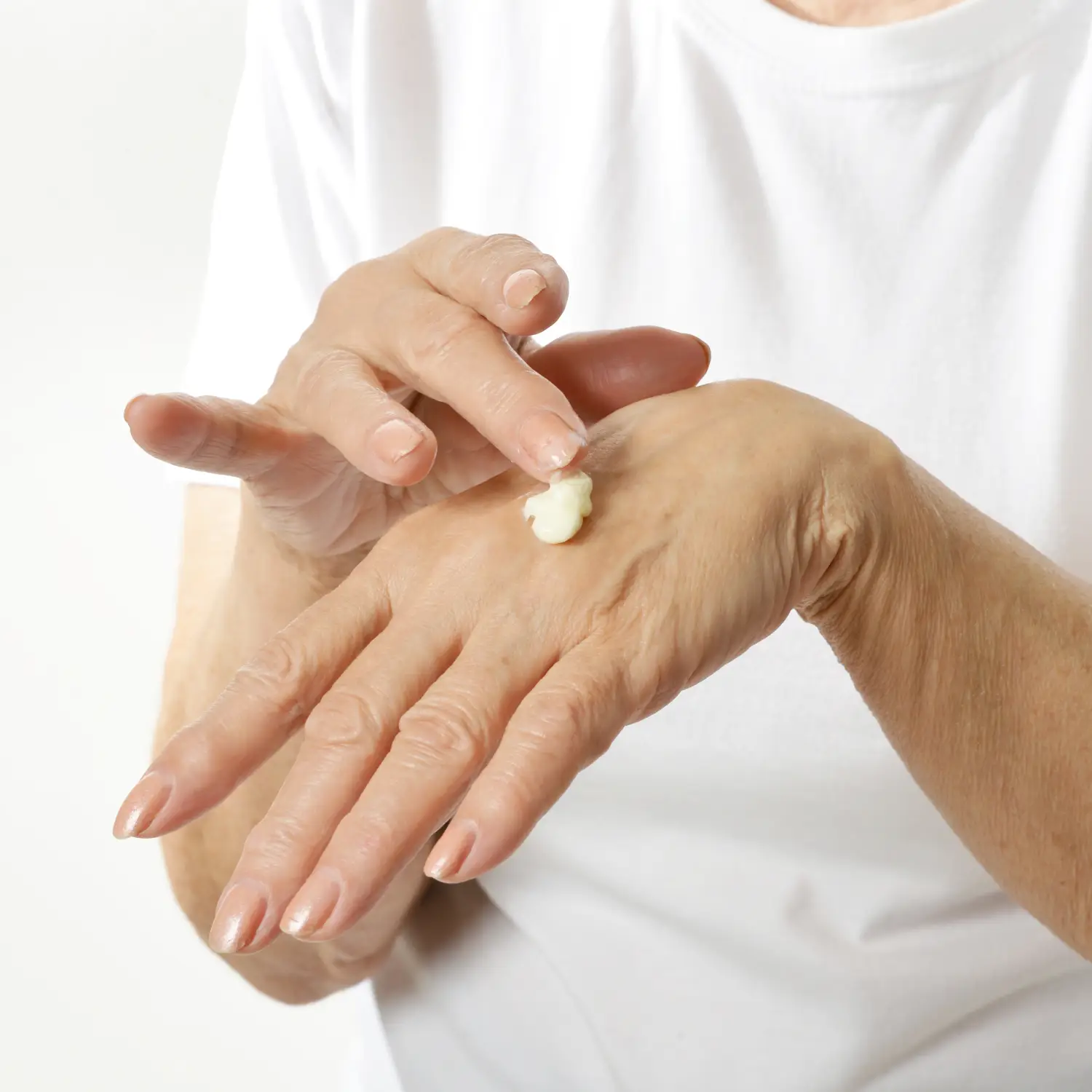
Pharmacological therapies can be topical creams or gels that are directly applied over the tumour, or systemic medication which is absorbed into the body and can affect the entire organism.
Non-Surgical Therapies
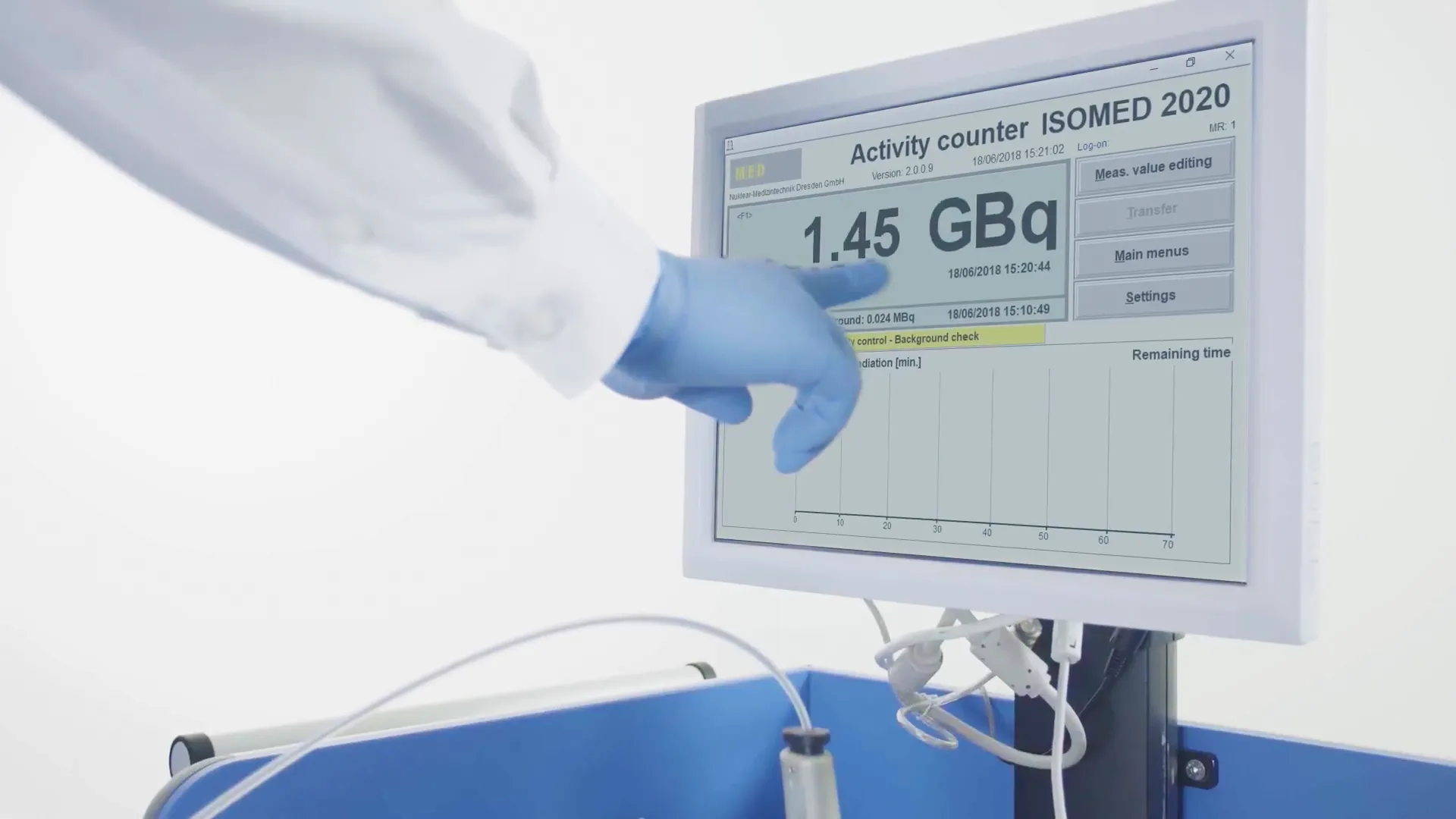
These therapies are usually derived of various types of radiation, including radiotherapy, brachytherapy and photodynamic therapy. They do not involve direct contact with the tumour tissue, e.g. Rhenium-SCT.
What is Rhenium-SCT?
Rhenium-SCT is a treatment option for non-melanoma skin cancer that uses the radioisotope rhenium 188 to deliver targeted radiation to the affected area.3 It is applied in a controlled clinical setting, designed to treat cancers located in the upper layers of the skin while limiting exposure to surrounding healthy tissue.2
This approach may be considered for patients where surgery is not appropriate, or where anatomical location presents challenges for conventional treatments.
Clinical studies have reported favourable cosmetic outcomes.2-6,† Your doctor will determine whether this treatment is suitable based on your individual condition. Rhenium-SCT is indicated for the treatment of basal cell carcinoma, squamous cell carcinoma, and Bowen’s disease.3
The treatment is used in routine clinical practice and is approved in multiple countries, including across the European Union and Australia.
Rhenium-SCT
What to expect during treatment and healing
Rhenium-SCT is a non-invasive4,* treatment option for non-melanoma skin cancer. It enables targeted treatment of superficial lesions while preserving surrounding healthy tissue.2
Step-by-step guide to treatment with Rhenium-SCT5
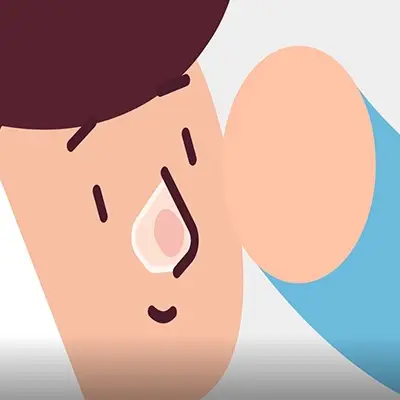
Mark
The physician marks the area needed to treat with a dermatological pen.
Cover
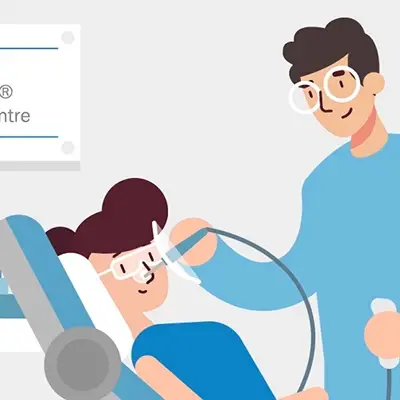
The area needed to treat is first covered with a special protective film.
Apply
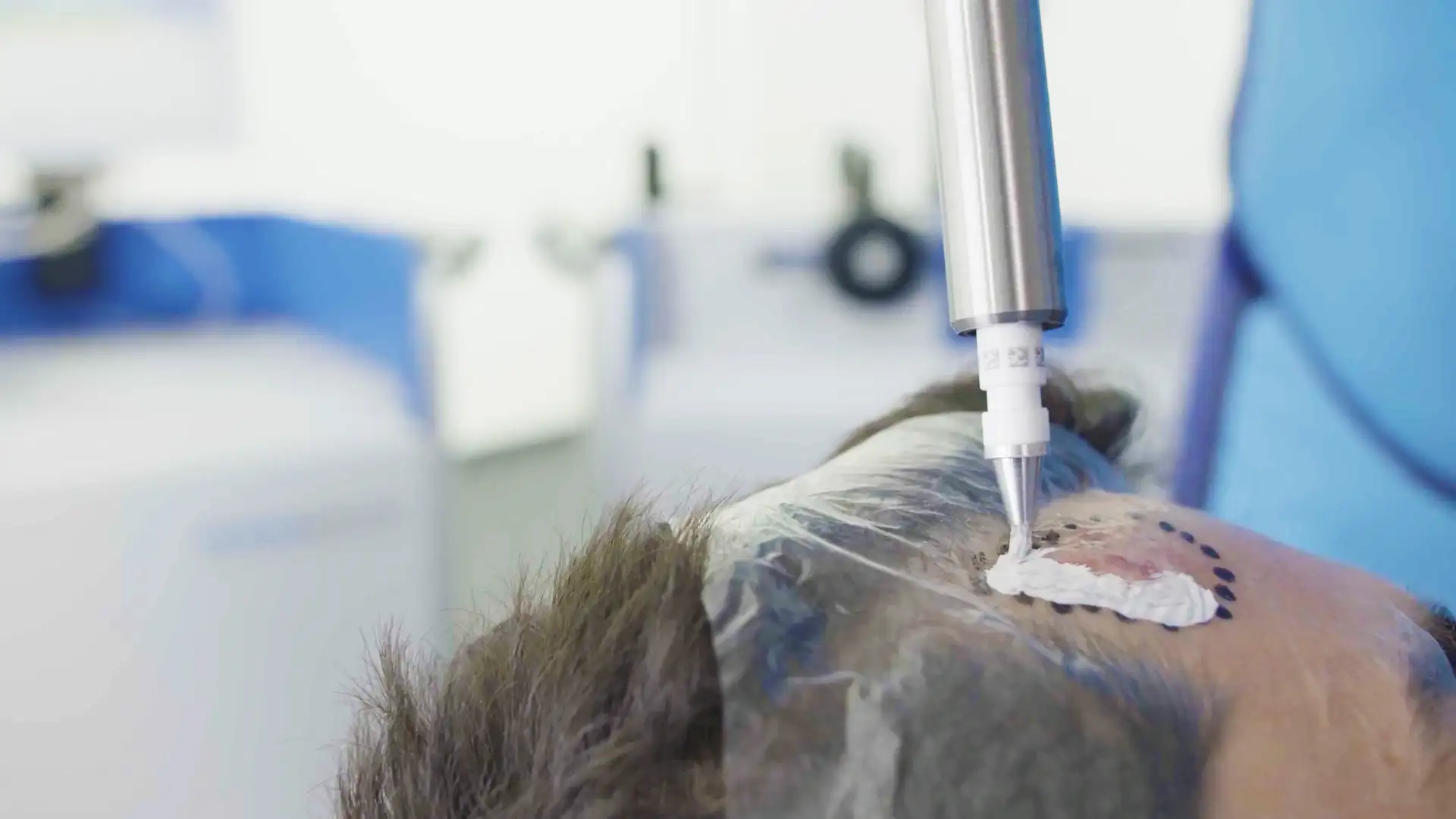
The Rhenium-188 Paste is then applied on top of the special film, over the marked area of treatment with the OncoBeta Applicator. The film and paste are to stay in place until the end of the procedure.
Treatment duration
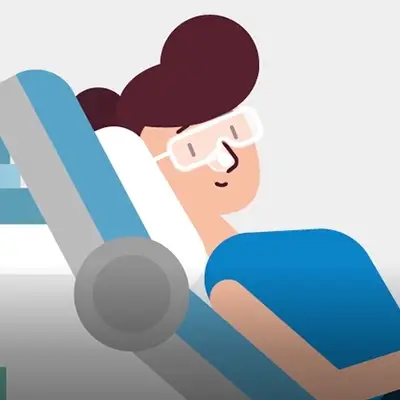
The process of applying the Rhenium-188 Paste to the area needed to treat typically only takes the physician 5 – 10 minutes. The patient sits or lays comfortably while the Rhenium-188 Paste works on the lesion, which typically takes 45 – 180 minutes, depending on size and depth of the treatment area. The protective film and the dry Rhenium-188 Paste are removed after the designated treatment time.

Follow-up
In general, there is no special aftercare needed. The dead tumour cells are gradually disposed of by the body and replaced with new healthy cells. A follow-up with the dermatologist is recommended.

Frequently asked questions
Find a Rhenium-SCT treatment centre
Have you been diagnosed with non-melanoma skin cancer? Rhenium-SCT is available in locations around the world. Find a treatment centre near you.
Downloads and resources
Here you’ll find helpful resources about treatment with Rhenium-SCT, including informative videos about the procedure and what to expect. We also provide detailed PDF guides covering the treatment process, aftercare instructions, and frequently asked questions to help you better understand your treatment journey.
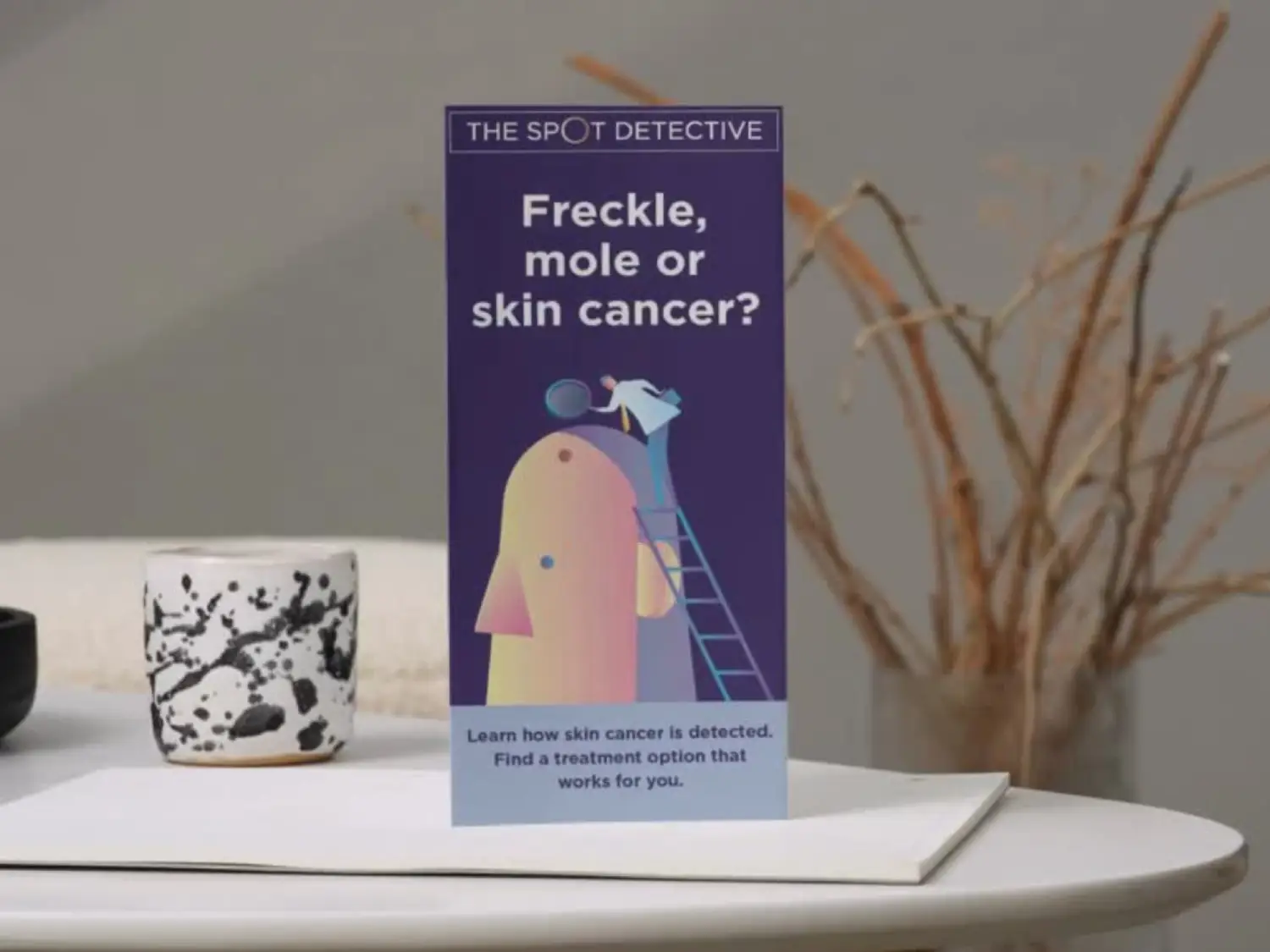
Spot Detective: Freckle, Mole or Skin Cancer?
Disease Awareness Initiative: Learn more about identifying skin cancer, and the available treatment options.
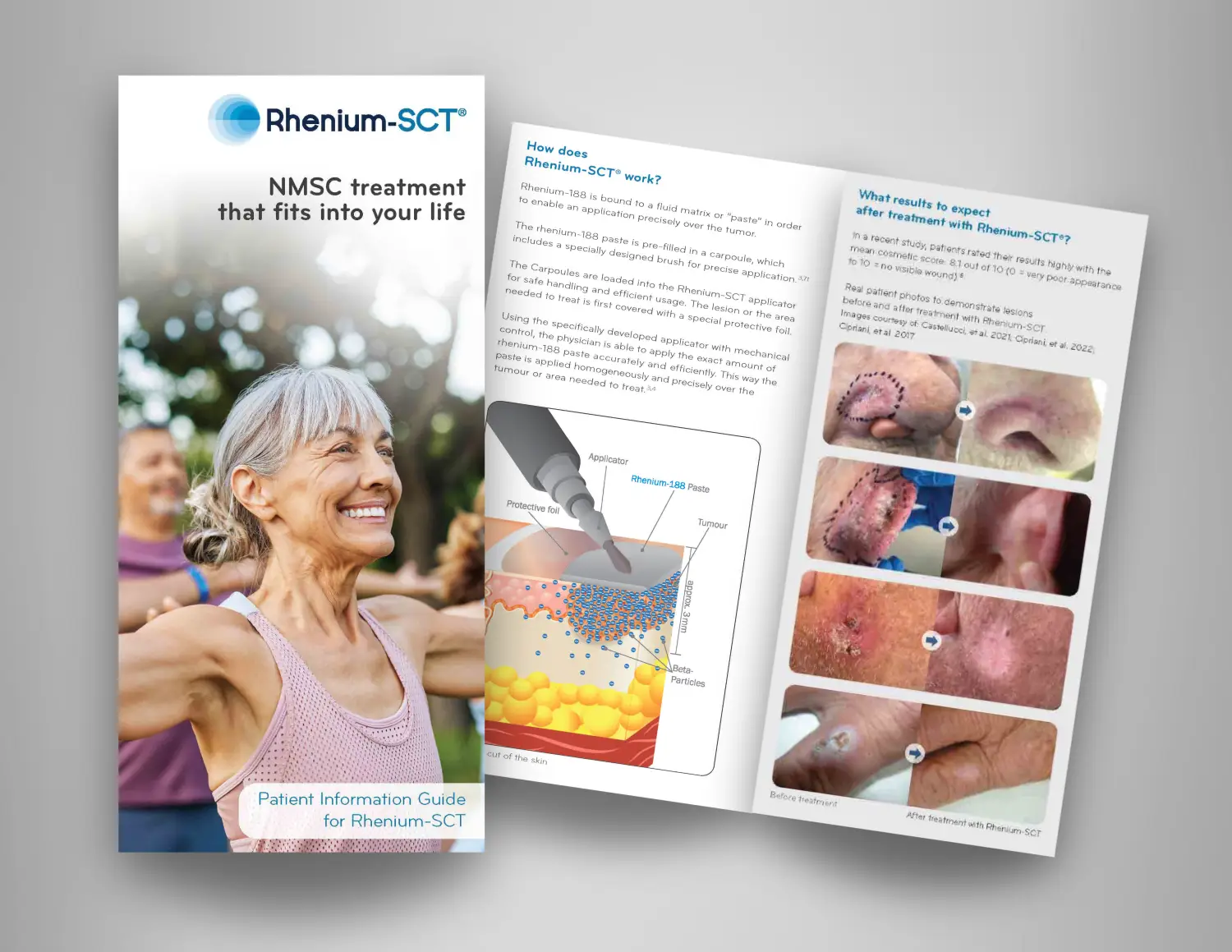
Patient Basic Information Leaflet
Discover how Rhenium-SCT® offers a non-invasive, personalised solution for non-melanoma skin cancer.
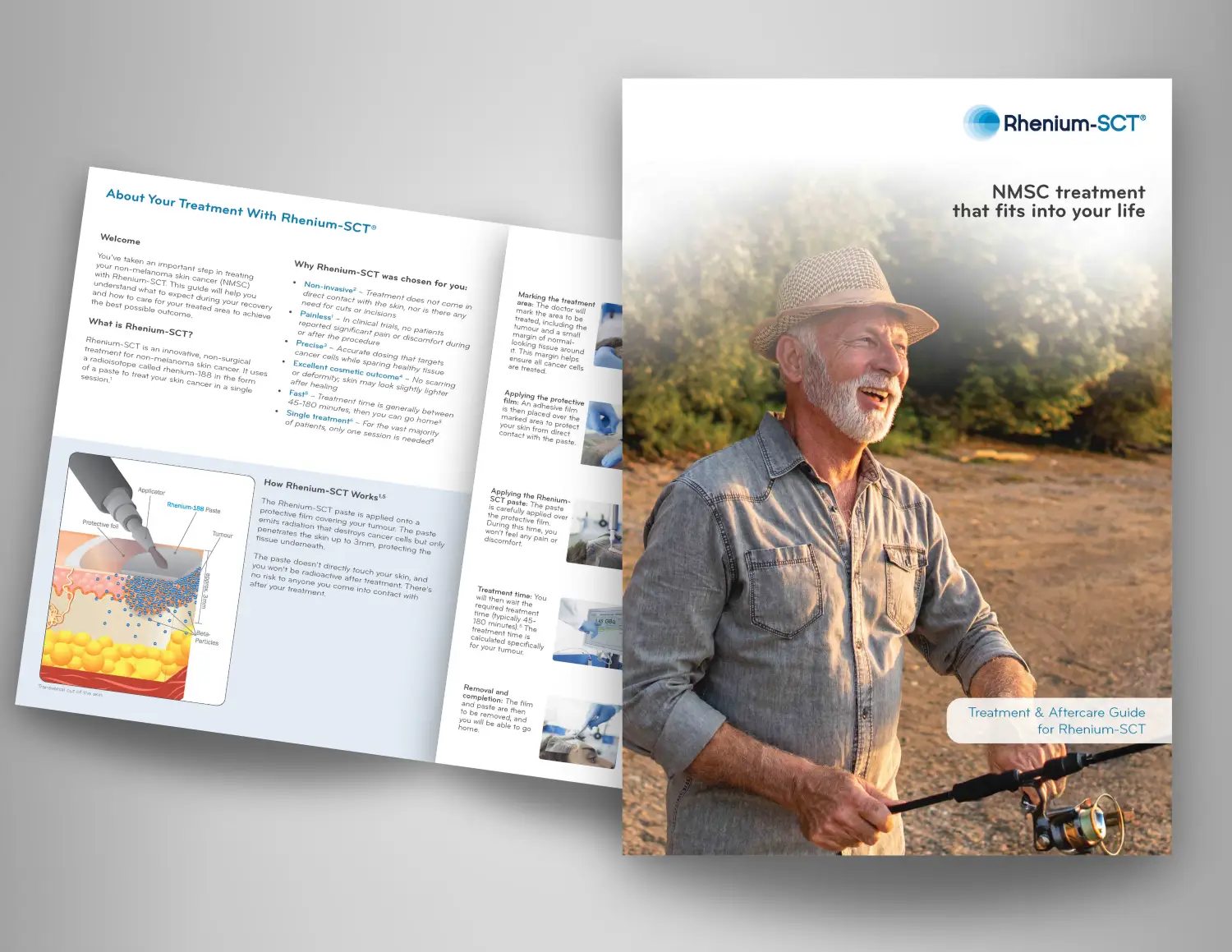
Patient Aftercare Brochure
Comprehensive aftercare guide for Rhenium-SCT®, covering healing stages, care tips, and dermatologist follow-ups for optimal recovery.
Tina Has A Lesion
Explainer video: Tina discovers a skin lesion and learns how OncoBeta’s Rhenium-SCT offers a non-invasive treatment solution.
Demonstration Video
A short demonstration of OncoBeta’s advanced technologies, showcasing their functionality and impact on precision patient care.
Quality Of Life
Bringing back quality of life: A quick introduction to NMSC and Rhenium-SCT.

* No direct skin contact or incisions.4
† Treatment was generally well tolerated. Adverse events were mostly mild to moderate. Twelve Grade 3/4 events occurred at earlier time points, with none persisting beyond 6 months. The most common 24-month adverse events were hypopigmentation (G1/2: 58%/5%), telangiectasia (G1: 15%), alopecia (G1/2: 10.4%/0.9%) and induration (G1/2: 9.6%/0.9%). No treatment-related adverse events led to study withdrawal.6
‡ Treatment time is generally 45 to 180 minutes; this may vary depending on lesion characteristics.5
§ No disfiguring scarring. Retained functionality in high-risk and difficult to treat areas.7
References:
- International Agency for Research on Cancer (IARC), World Health Organization. Skin Cancer. https://www.iarc.who.int/cancer-type/skin-cancer/ (accessed April 2026).
- Cipriani C, et al. J Dermatol Treat. 2022;33(2):969–975. Epub 22 Jul 2020.
- Cardaci G, et al. Adv Radiat Oncol. 2025;10(7):101802.
- Castellucci P, et al. Eur J Nucl Med Mol Imaging. 2021;48(5):1511–1521.
- Rhenium-SCT® Instructions For Use, Quick Guide. https://www.oncobeta.com/fileadmin/user_upload/devices/02_IFU_REC_ENG_L.pdf (accessed March 2026).
- Baxi S, et al. 2026, Rhenium-SCT for non-melanoma skin cancer: Topline Results from EPIC-Skin, An International Phase IV Prospective Single Arm Multi-centre Study, Presentation at The American College Of Radiation Oncology Congress Orlando USA, 6th February 2026.
- Sedda AF, et al. Clin Exp Dermatol. 2008;33(6):745–749.
- Cipriani C, et al. In Therapeutic Nuclear Medicine. 2014. RP Baum (Ed), New York: Springer.