
Rhenium-SCT: Painting a Brighter Picture in NMSC
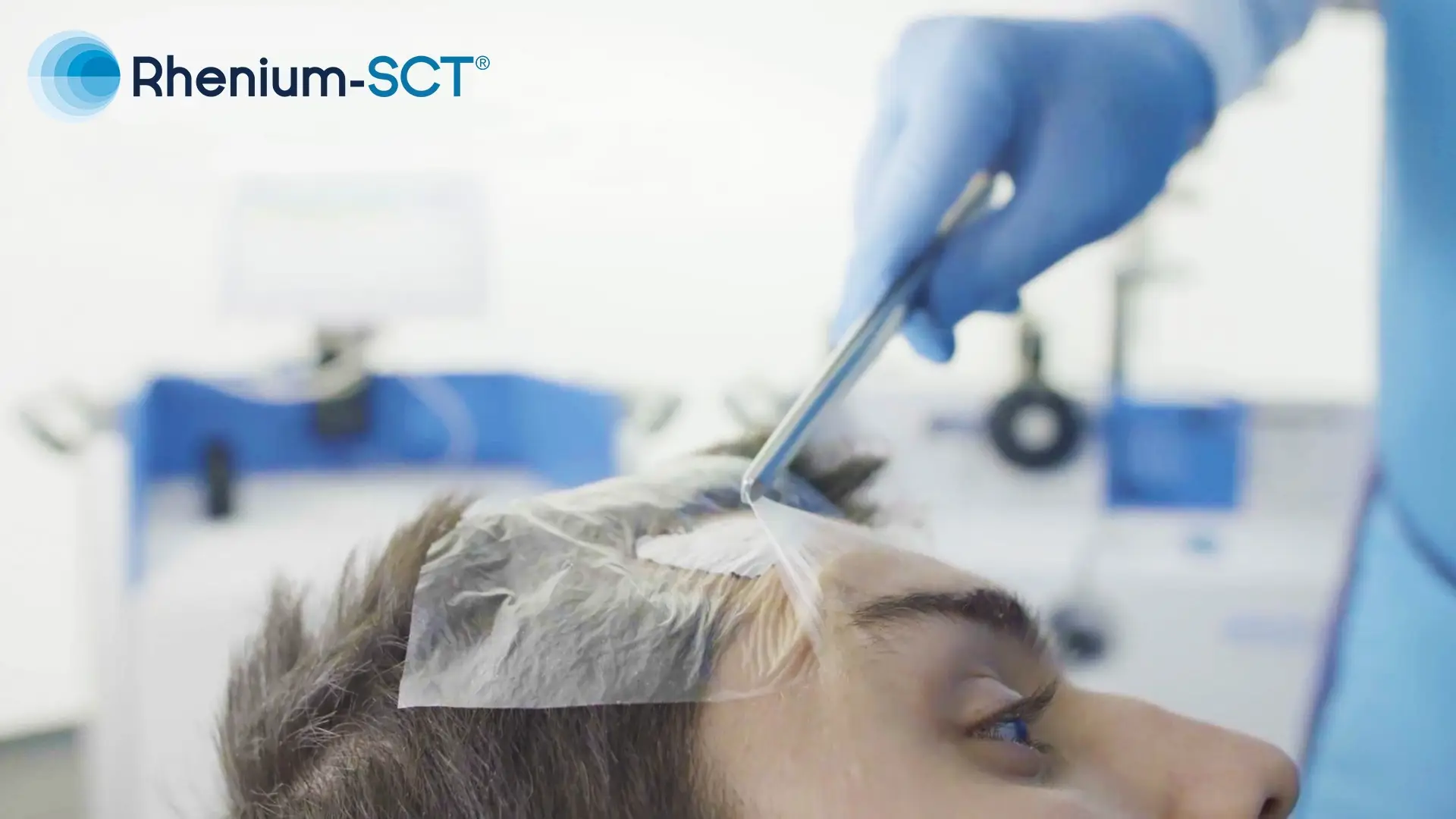
Non-Melanoma Skin Cancer Therapy with Rhenium 188
Rhenium-SCT is indicated for basal cell carcinoma (BCC), squamous cell carcinoma (SCC) in patients with co-morbidities for which a surgical approach is not indicated or refused, or for lesions whose anatomical position may result in a suboptimal cosmetic result using conventional approaches, or where conventional therapies have failed and the Rhenium-SCT is used as ultima ratio.1,2

Clinical Evidence Supporting Rhenium-SCT
A growing body of clinical evidence supports the use of Rhenium-SCT for the treatment of non-melanoma skin cancers. Published studies have evaluated its efficacy, safety profile, and cosmetic outcomes in patients with NMSC, providing important insights for clinicians considering this treatment approach. These data contribute to the understanding of how targeted cutaneous radiotherapy can achieve effective tumour control while preserving surrounding healthy tissue.
Detailed clinical publications, including peer-reviewed studies and supporting data, are available on request. Healthcare professionals can contact our team to access specific publications and further information about the clinical evidence supporting Rhenium-SCT.
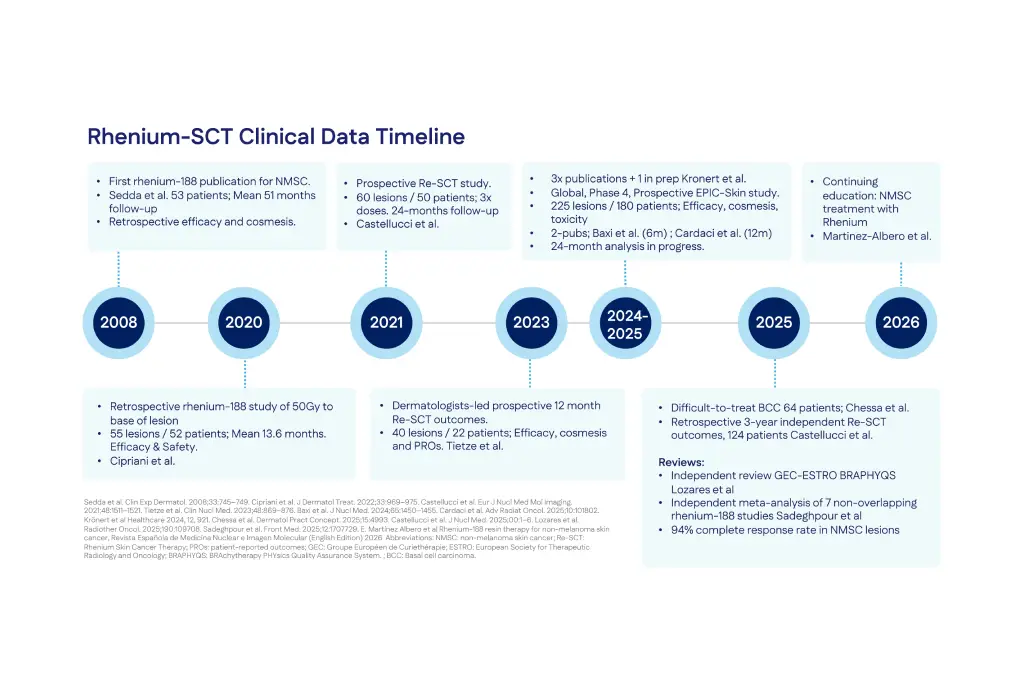
Clinical Data Timeline
This timeline highlights key studies and milestones that have shaped the development and understanding of Rhenium-SCT. From early investigations through to more recent clinical evaluations, these data points reflect the growing body of evidence supporting its efficacy, safety, and role in the treatment of non-melanoma skin cancer.
Rhenium-SCT Professional Demonstration
Rhenium-SCT offers an innovative approach to the treatment of non-melanoma skin cancer. Using the radioisotope rhenium 188, it delivers targeted ß-radiation to the lesion, aiming to treat cancer cells while minimising impact on surrounding healthy tissue.1
Administered in a single session3,4,*, it offers a non-invasive5,†, painless1,‡ alternative with excellent cosmetic6,§ outcomes.
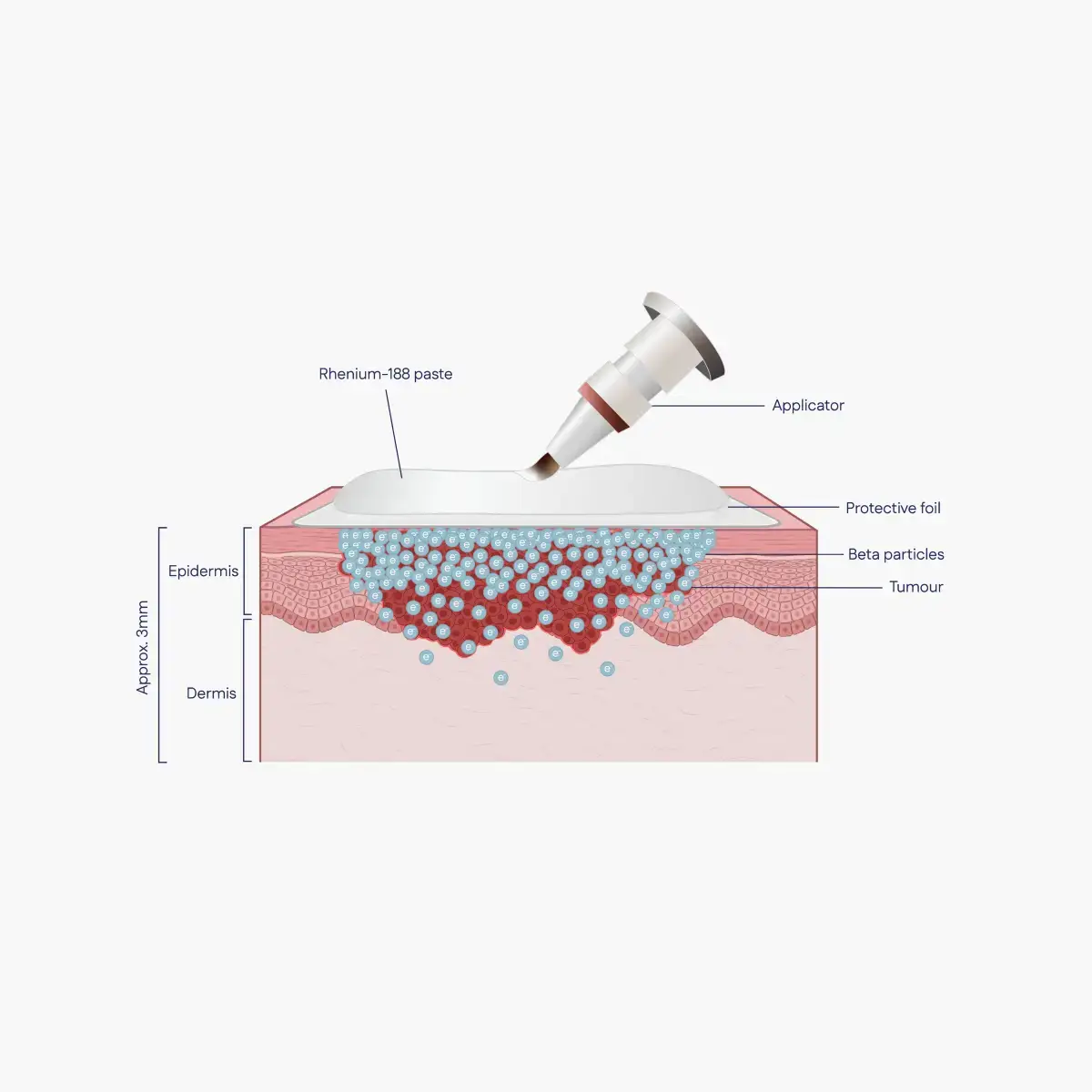
How does Rhenium-SCT work?
Rhenium-SCT utilises the beta-emitting radioisotope rhenium 188 for the treatment of non-melanoma skin cancer. ß-particles emitted by rhenium 188 deposit 92% of their energy to a depth of 3 mm in tissue, making this therapy well suited for targeting superficial lesions while limiting impact on deeper structures.7
At a cellular level, the radiation induces DNA damage in tumour cells, triggering apoptosis and localised immune responses that contribute to tumour control. With a half-life of approximately 17 hours, rhenium 188 enables treatment to be delivered within a short, controlled timeframe.8
Continue Exploring Rhenium-SCT
Whether you’re evaluating treatment options, reviewing the evidence, or considering introducing Rhenium-SCT into your practice, additional resources are available to support your decision-making. Contact our Medical Team to discuss patient suitability, referral pathways, or clinical questions. Review the Clinical Evidence to explore the clinical studies that support Rhenium-SCT. Become a Partner Centre and learn what’s required to introduce Rhenium-SCT into your clinical practice.
Contact form
Contact our Medical Team
Have a question or want to learn more? Get in touch with our medical team for further information and support.
Rhenium-SCT is transforming care with proven clinical efficacy. While research continues to explore its potential in additional indications, we continue advancing radiopharmaceutical innovations, broadening the therapeutic potential of isotopes like rhenium 188 to improve patient care globally.
Clinical Evidence
Benefits of treatment with Rhenium-SCT
Non-Invasive5,†
Painless1,‡
Single-Session3,4,*
Aesthetic / Functional6,§
Precise8,**
Simple, Easy5,††
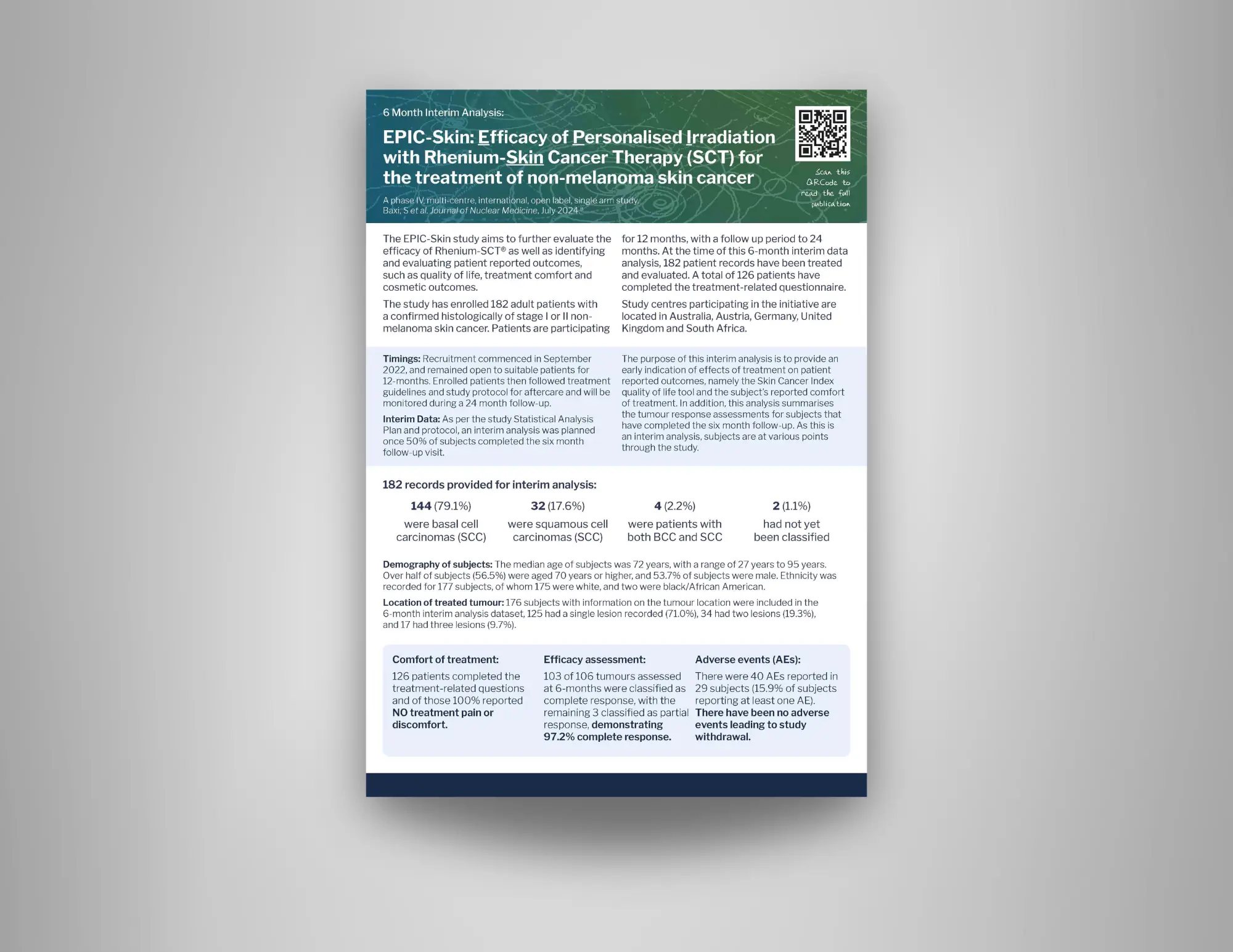
Published clinical paper
Effectiveness and Patient Experiences of Rhenium Skin Cancer Therapy for Nonmelanoma Skin Cancer: Interim Results from the EPIC-Skin Study.
Rhenium SCT epidermal radionuclide therapy offers an important non-surgical modality in the treatment armamentarium available to indicated patients with BCC and SCC.3
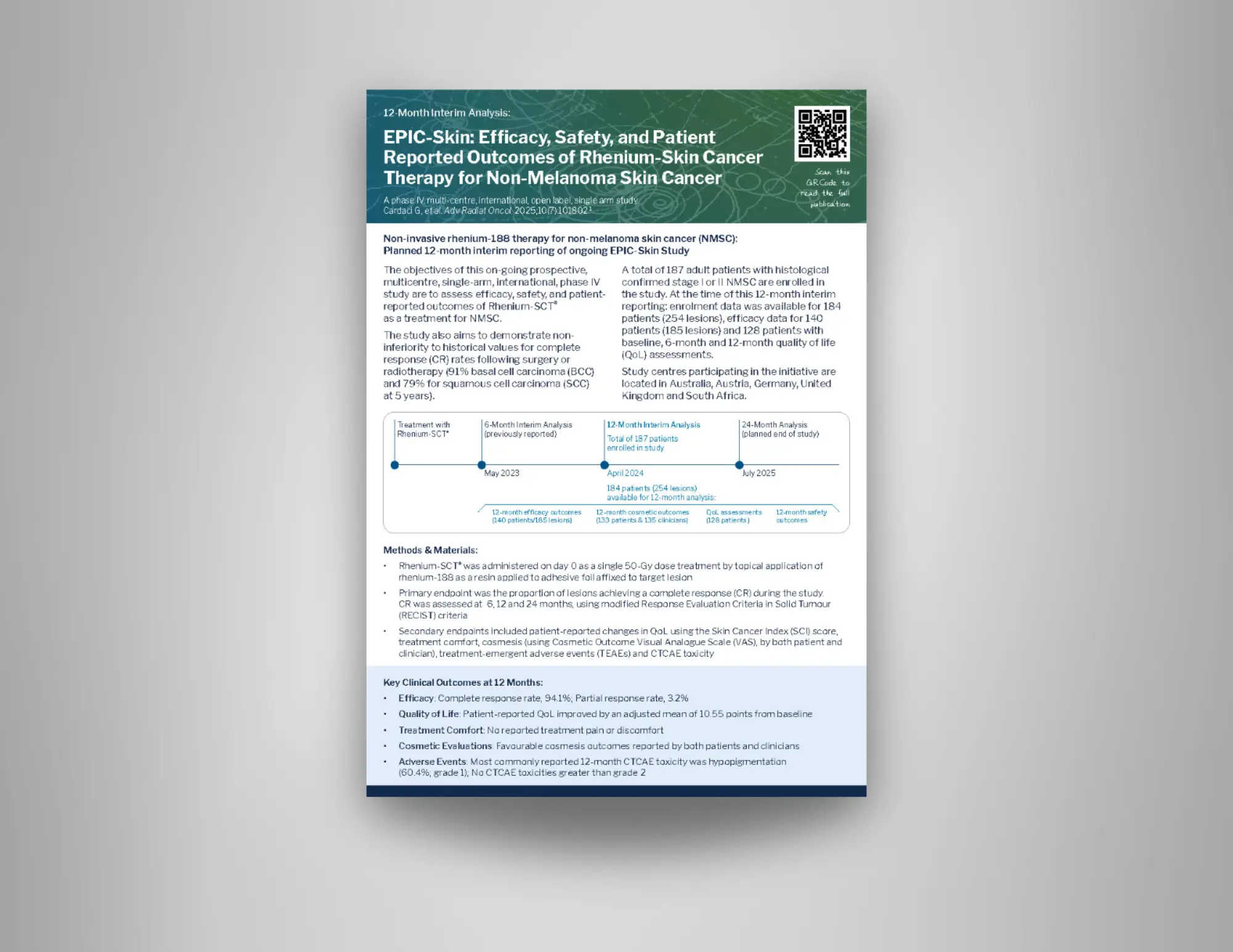
Published clinical paper
Efficacy, Safety, and Patient Reported Outcomes of Rhenium-Skin Cancer Therapy for Non- Melanoma Skin Cancer: 1-Year Results from the EPIC-Skin Study.
Rhenium-SCT offers a well-tolerated, effective, non- surgical treatment alternative for certain patients with NMSC with shallow (≤3 mm) NMSC lesions.1
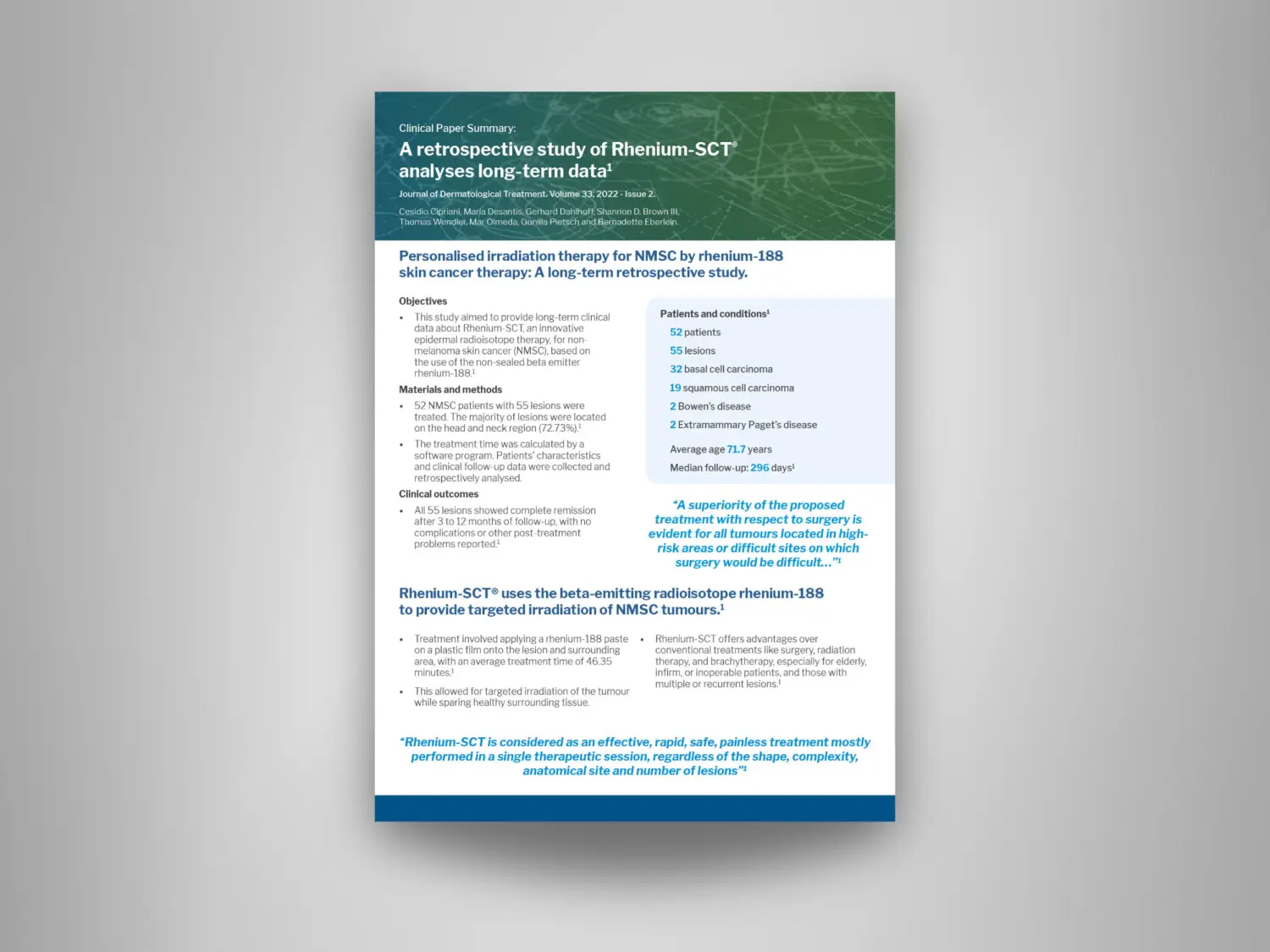
Published clinical paper
Personalized irradiation therapy for NMSC by rhenium-188 skin cancer therapy: a long-term retrospective study.
The main advantage of Rhenium-SCT lies in the usefulness in all types of BCCs and SCCs, without restriction of anatomical location, dimension, number of lesions, clinical or histological type, and patient clinical situation.8
Rhenium-SCT may be suitable for the following patients with NMSC5,8,9,10
BCC or SCC has been diagnosed
Surgery is refused
NMSC patient is elderly or has comorbidities
Surgery would result in functional mutilation
Relapse from previous treatment has occurred
Multiple lesions require treatment
Tumours are located in high-risk or difficult to treat areas

Identifying Appropriate Candidates for Rhenium-SCT2
Careful patient selection is essential to achieving optimal outcomes with Rhenium-SCT. The therapy is generally suited to patients with histologically confirmed non-melanoma skin cancers, including basal cell carcinoma (BCC) and certain squamous cell carcinomas (SCC), where lesion depth and size fall within defined treatment parameters. Accurate assessment of tumour characteristics – including thickness, location, and proximity to critical structures – is important to determine suitability.
Rhenium-SCT may be particularly valuable for patients who are poor surgical candidates, wish to avoid surgery, or present with lesions in cosmetically or functionally sensitive areas such as the nose, ears, eyelids, or scalp. It may also be considered in cases where preservation of surrounding healthy tissue is a priority.
Treatment planning should follow appropriate diagnostic work-up, including biopsy confirmation and depth assessment. Health professionals considering referral or delivery of Rhenium-SCT are encouraged to consult current clinical guidance and collaborate with trained centres to ensure appropriate case selection and implementation.
A multi-disciplinary approach for treating NMSC with Rhenium-SCT
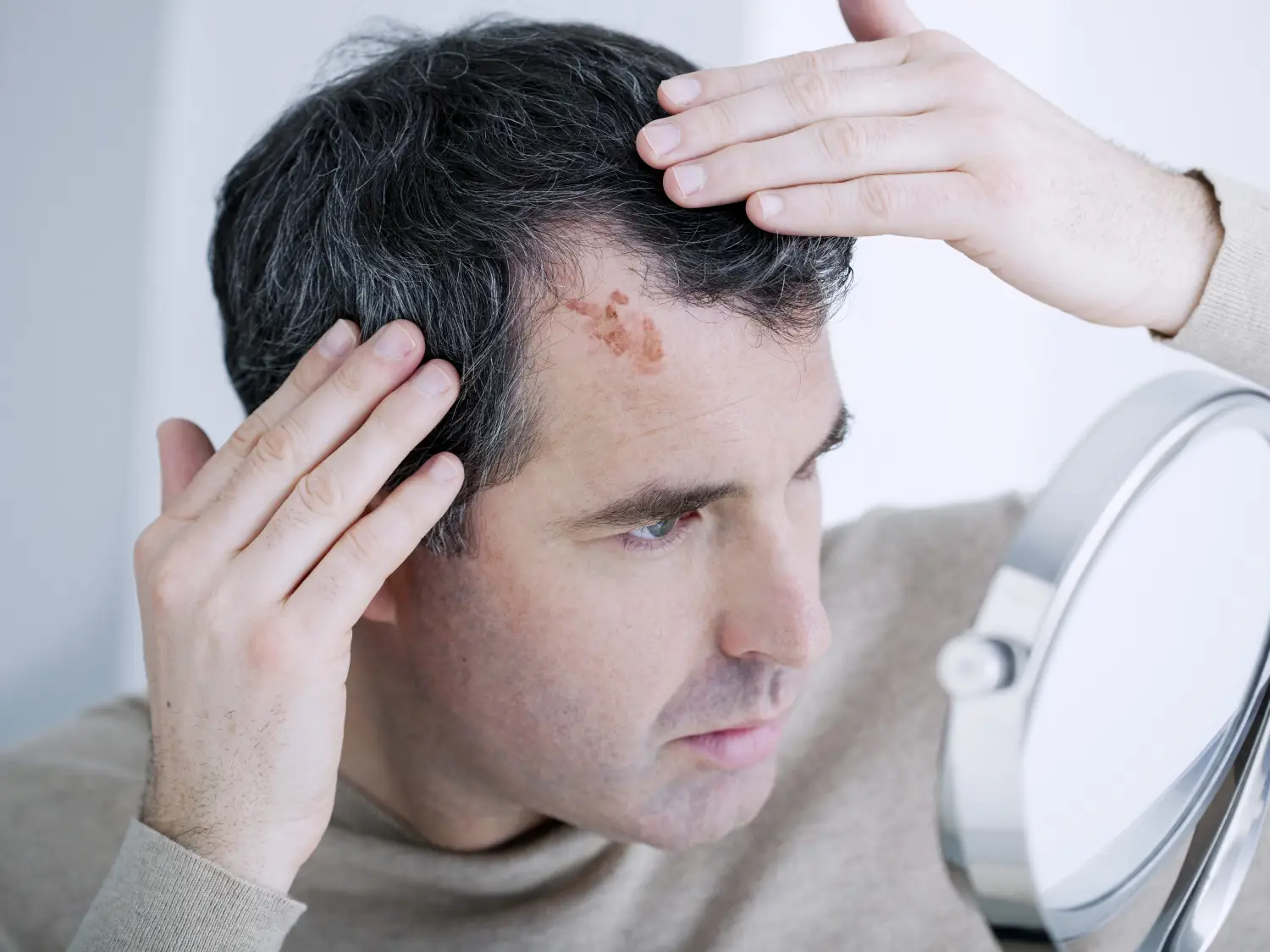
Discovery and Diagnosis
Patient notices superficial changes in their skin. Patient consults their usual dermatologist, skin specialist or general practitioner (GP), who will examine the patient and provide the initial diagnosis.
NOTE: Images shown here are for illustrative purposes only and do not depict an actual patient.

Decision to treat by multidisciplinary team
The dermatologist or skin cancer specialist diagnoses basal cell carcinoma (BCC) or squamous cell carcinoma (SCC). A skin biopsy is taken and treatment alternatives are discussed. If a decision is made for treatment with Rhenium-SCT, the patient is referred to a nuclear medicine physician or radiation oncologist at a specialist treatment centre.
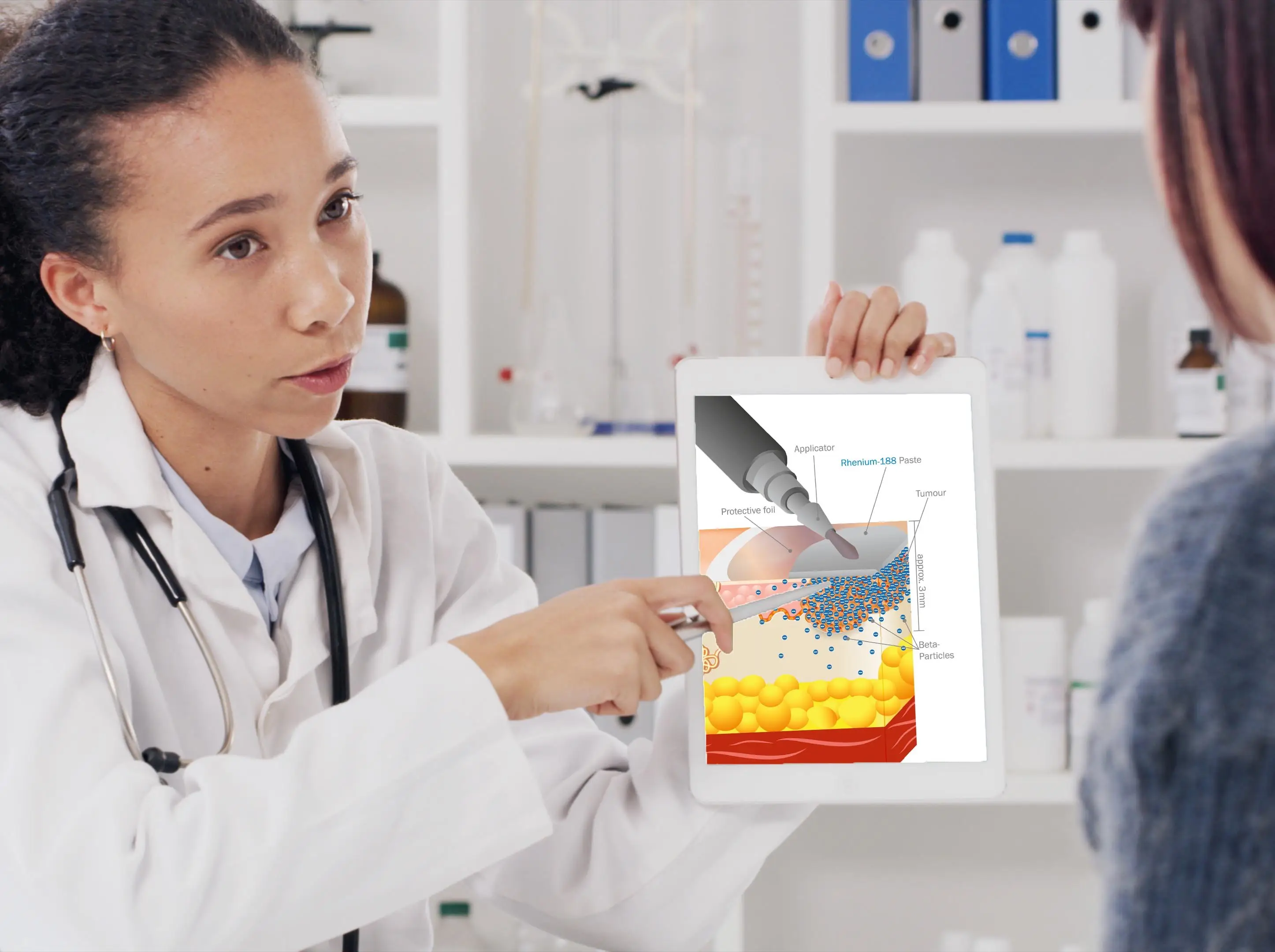
Specialist consultation
When considering referral for Rhenium-SCT, a specialist consultation may include assessment of the lesion characteristics, confirmation of diagnosis, review of treatment history, and evaluation of patient-specific factors that could influence treatment selection.
The consultation supports informed decision-making regarding the suitability of Rhenium-SCT and its role within the broader treatment pathway.
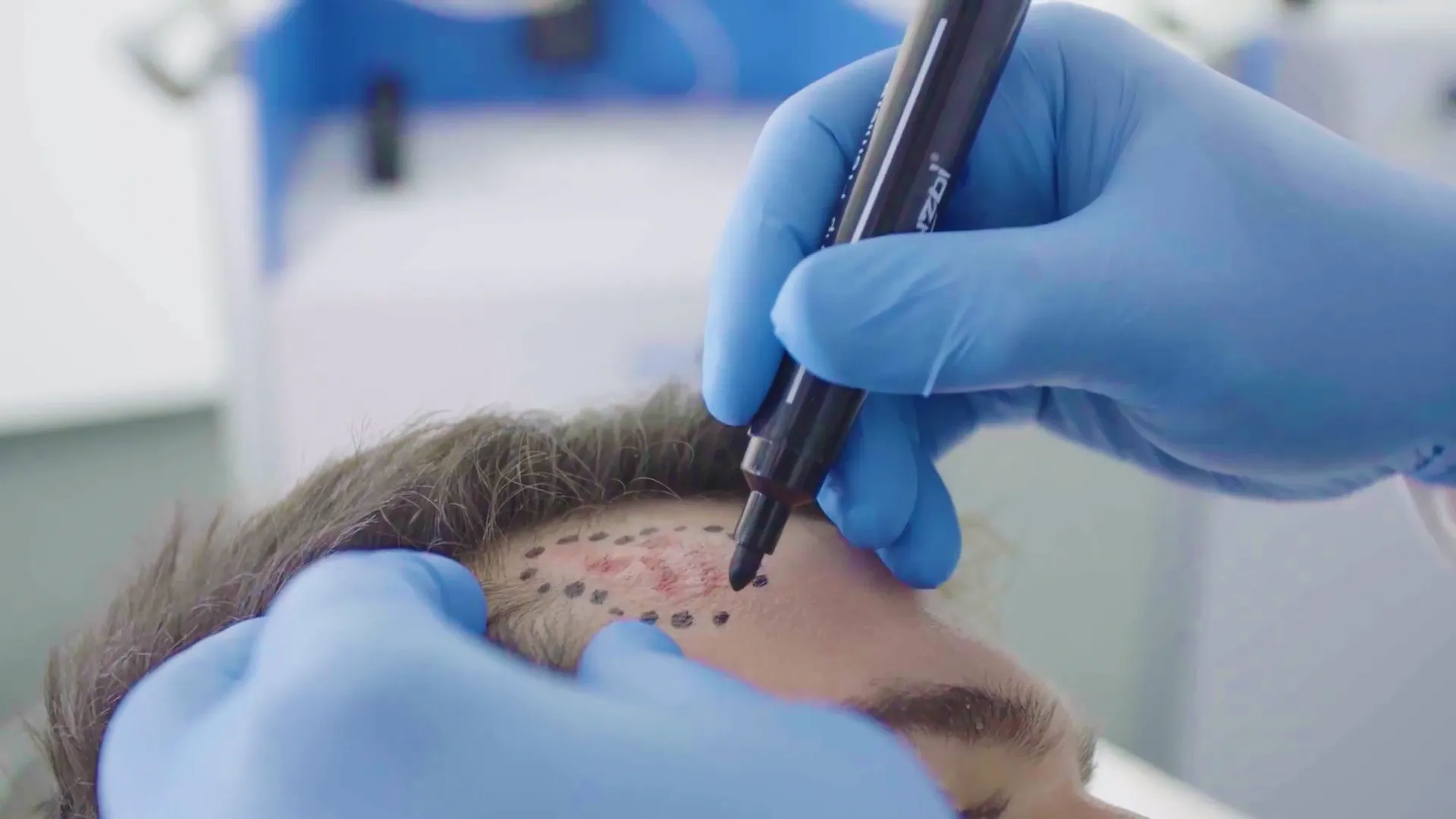
Treatment with Rhenium-SCT: Step 1
The referring physician identifies the lesion and marks the area needed to treat, including 5mm safety margins.
OncoBeta can provide all of the necessary equipment and required hardware (treatment unit and applicator) as well as the accessories needed for treatment (NOTE: This may vary by region).
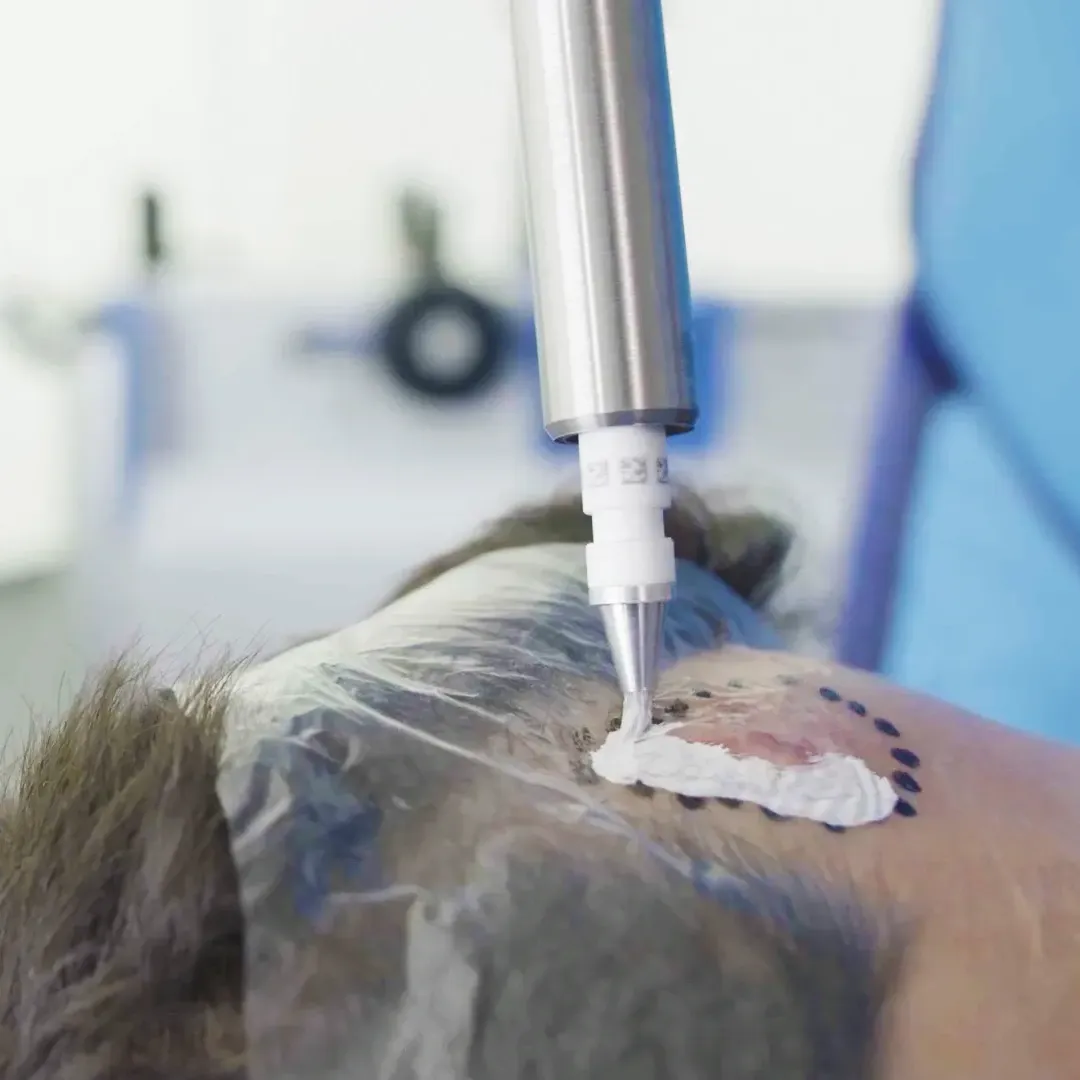
Treatment with Rhenium-SCT: Step 2
The treating physician covers the area with a clear plastic film (foil) before applying the Rhenium-SCT paste. Treatment time is generally 45 to 180 minutes in most cases.2¶
The effect of Rhenium-SCT is based on the local direct cytotoxic effect of the ß-particles, which triggers a local apoptosis and immune reaction.7
When used according to instructions, there is no relevant systemic radiation exposure to the patient (0.05 – 0.1 mSv) or treatment team.8
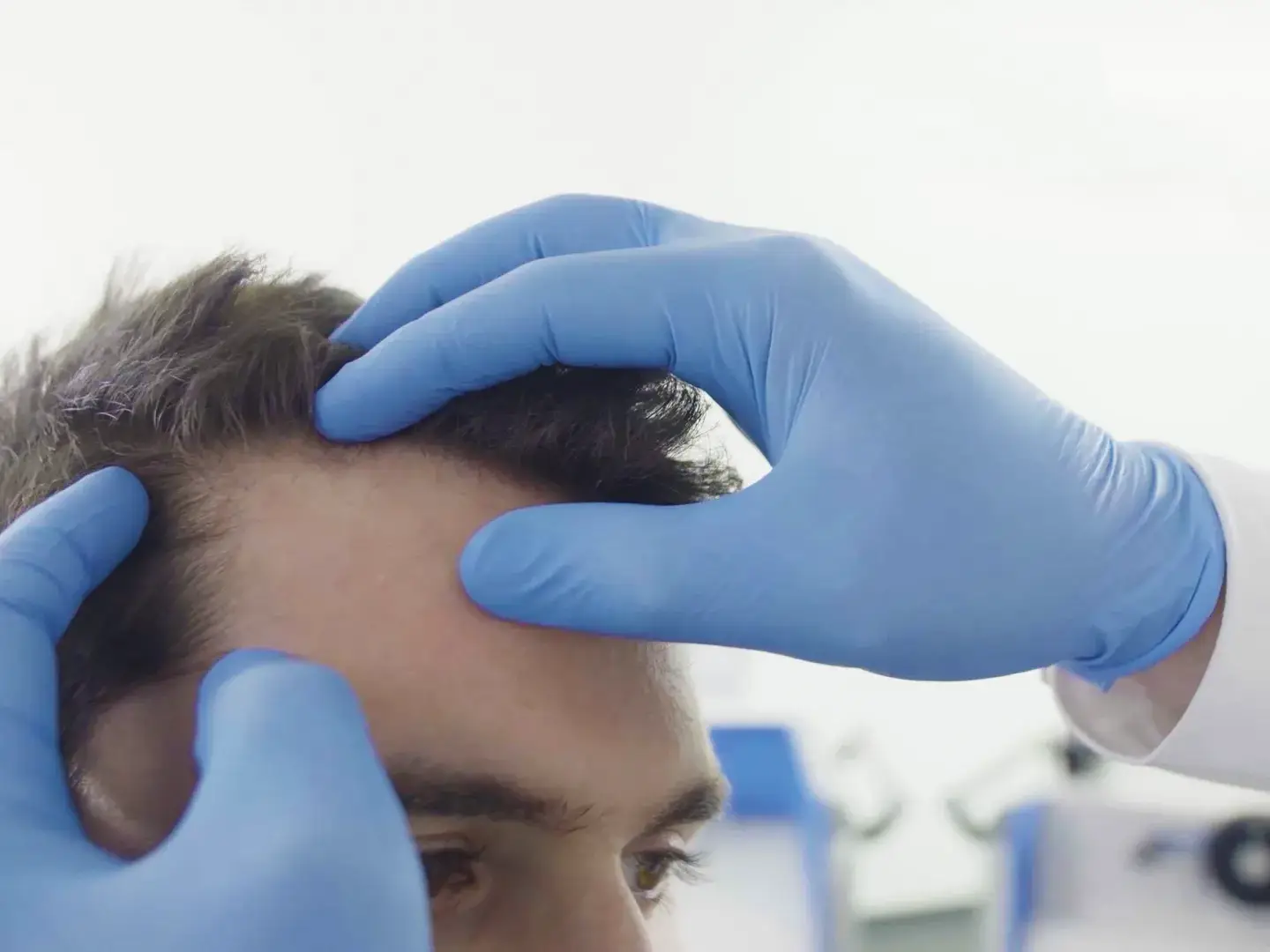
Treatment with Rhenium-SCT: Step 3
After the calculated period of time, the foil is removed and the waste is disposed of. Typical result after 60 to 180 days.7
It is then recommended that the patient return to their dermatologist or skin cancer GP for aftercare and follow-up; as well as regular self-examination and professional check-ups.
Understanding the normal healing process after treatment with Rhenium-SCT
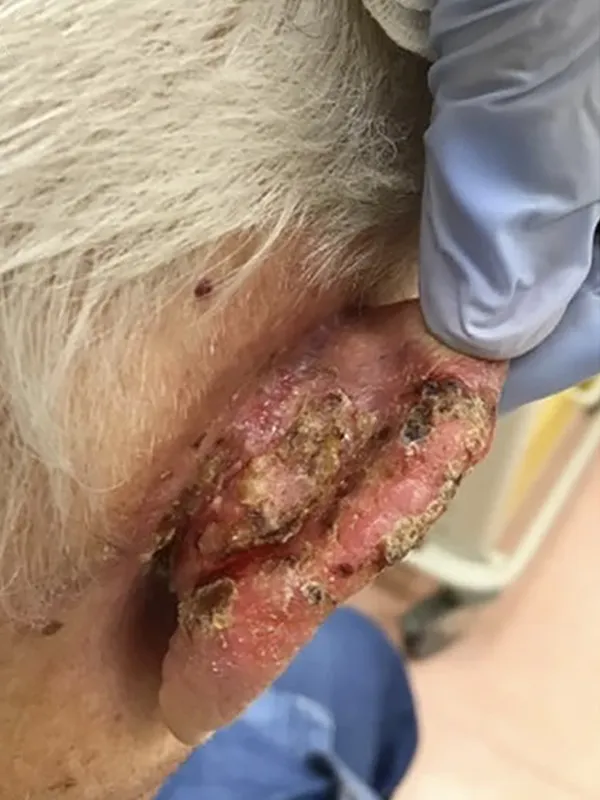
Day 14
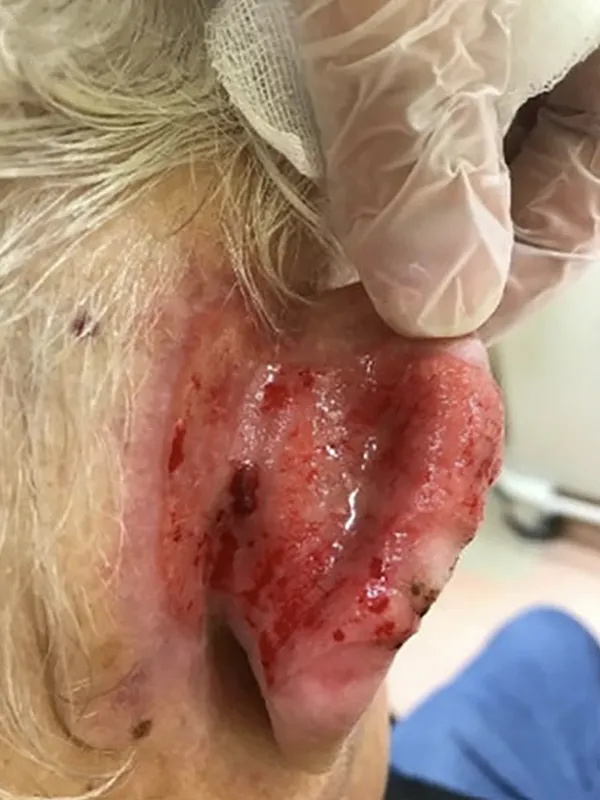
Day 30
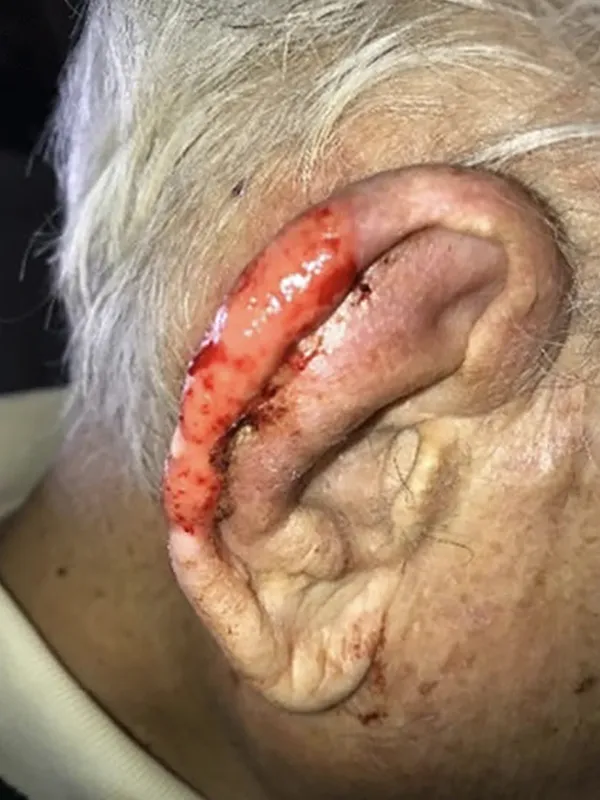
Day 30
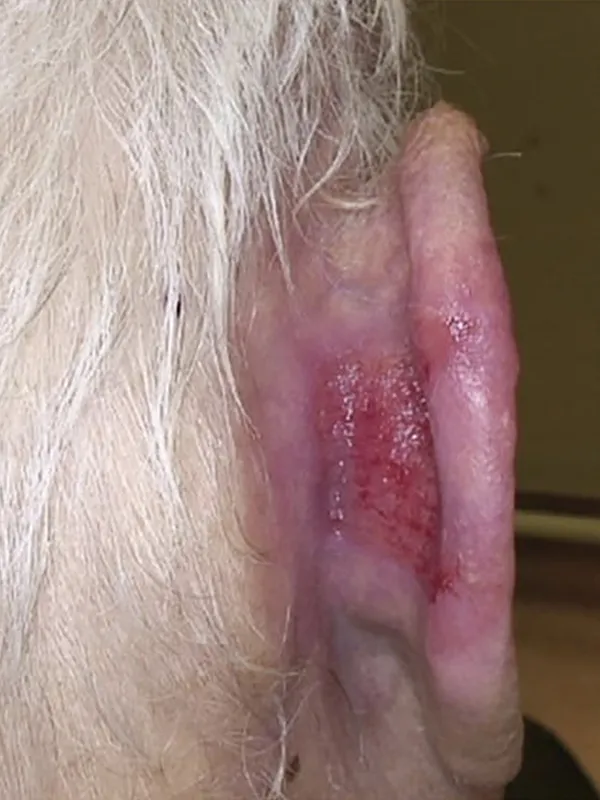
Day 48
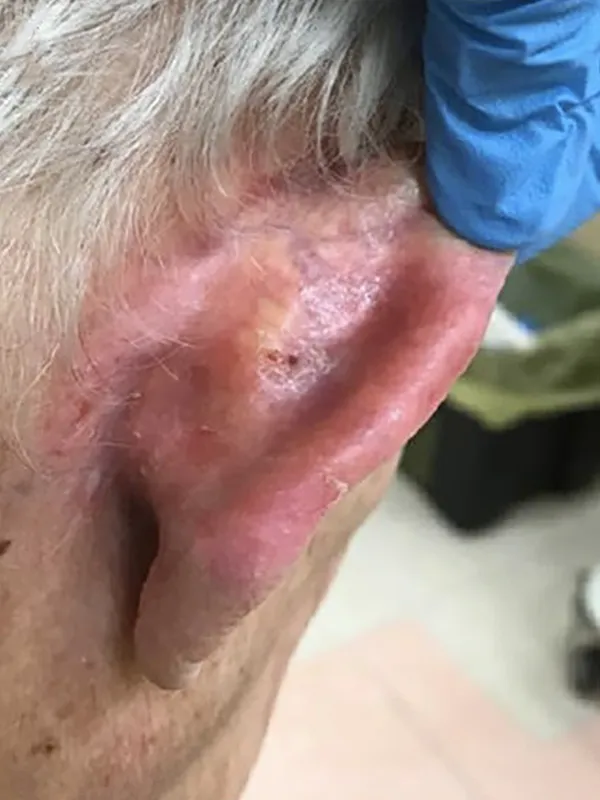
Day 90
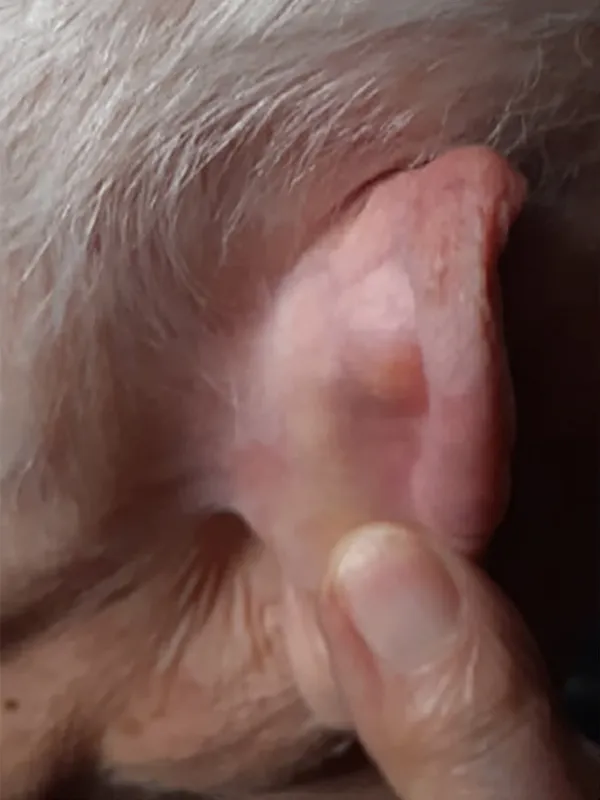
1 Year
Weeks 0-2
During the first few days, the patient may notice slight redness. Advise the patient to follow all aftercare instructions and protect the area from sun exposure.
Redness will increase significantly and a scab will form. The area may feel itchy with slight bleeding. The lesion may look worse than before treatment – this is normal healing and shows the treatment is working. Advise the patient to resist the urge to pick at the scab, and to attend the scheduled follow-up appointment(s).
Weeks 3-6
Itching and bleeding will subside as redness begins to fade. The scab will start to shed naturally at the edges as the body replaces dead cancer cells with healthy tissue. Advise the patient to let the scab come off naturally and continue sun protection.
Weeks 7-12
The redness will have faded and the scab will have shed naturally. The treated area may appear slightly lighter. Once healed, the patient can start using sunscreen on the area as part of their normal regimen.
Rhenium-SCT is a form of radiation therapy, and radiation dermatitis is an expected treatment response. Skin reactions, including erosion, ulceration, infection, and trauma, should be managed according to departmental protocols. Good wound care principles—including optimising vascular health, nutrition, and smoking cessation—are important to support healing.
HCP Endorsement
Rhenium-SCT demonstrates how targeted radionuclide therapy can be effectively applied to superficial malignancies. The ability to confine radiation to the lesion while limiting exposure to surrounding tissue is a strong and clinically meaningful concept.
Prof. Paolo Castellucci
Rhenium-SCT offers an important treatment option for superficial non-melanoma skin cancers, particularly when preserving function and achieving favourable cosmetic outcomes are key considerations.
Prof. Siroos Mirzaei
For suitable skin cancers, this is a non surgical treatment option, undertaken in one visit at a designated treatment centre. That helps ensure patients can access skin cancer care, regardless of where they live.
Clare Tait, Past President, Australasian College of Dermatologists
Comprehensive training, detailed documentation and ongoing support is provided by OncoBeta and is available for all treating and referring physicians.
OncoBeta Academy
Supporting Clinical Confidence in Rhenium-SCT
OncoBeta is committed to supporting healthcare professionals with access to high-quality educational resources on Rhenium-SCT and its role in the treatment of non-melanoma skin cancer. These materials are designed to help clinicians understand the principles of the therapy, patient selection considerations, treatment workflows, and clinical outcomes.
Through a range of formats – including expert-led videos, slide presentations, and accredited e-learning modules – clinicians can explore both the scientific foundations and the practical aspects of integrating Rhenium-SCT into clinical practice, while also accessing accredited training modules.
Click to access OncoBeta Academy (NOTE: requires user registration and individual access via username and password. Contact us if you have any issues accessing OncoBeta Academy)
Medscape Education
New accredited online CME activity
Medscape Education, supported by OncoBeta, presents a new accredited online CME activity: “Radiation Therapy for Localized Non-Melanoma Skin Cancer – An Interprofessional Dialogue.” (30 minutes | 0.5 CME credits).
Click to discover more about Medscape Education & OncoBeta CME.
A Clinical Documentary About Rhenium-SCT
In this documentary you will learn more about the therapy and the opinion from the healthcare professionals.
Rhenium-SCT Professional Demonstration
An in-depth demonstration of OncoBeta’s advanced technologies, showcasing their functionality and impact on precision patient care.
Skin: Below The Surface
British Skin Foundation and ITN Business – sponsored by OncoBeta.

Resources for Healthcare Professionals
Our resources for healthcare professionals include comprehensive guides on Rhenium-SCT, detailed treatment protocols, and case studies showcasing successful outcomes.
OncoBeta is dedicated to empowering healthcare professionals with access to a robust collection of materials and resources to support patient care and clinical decision-making. By equipping professionals with the knowledge and tools they need, OncoBeta supports excellence in care and fosters a collaborative medical community. For any questions, please don’t hesitate to get in touch with our dedicated team.
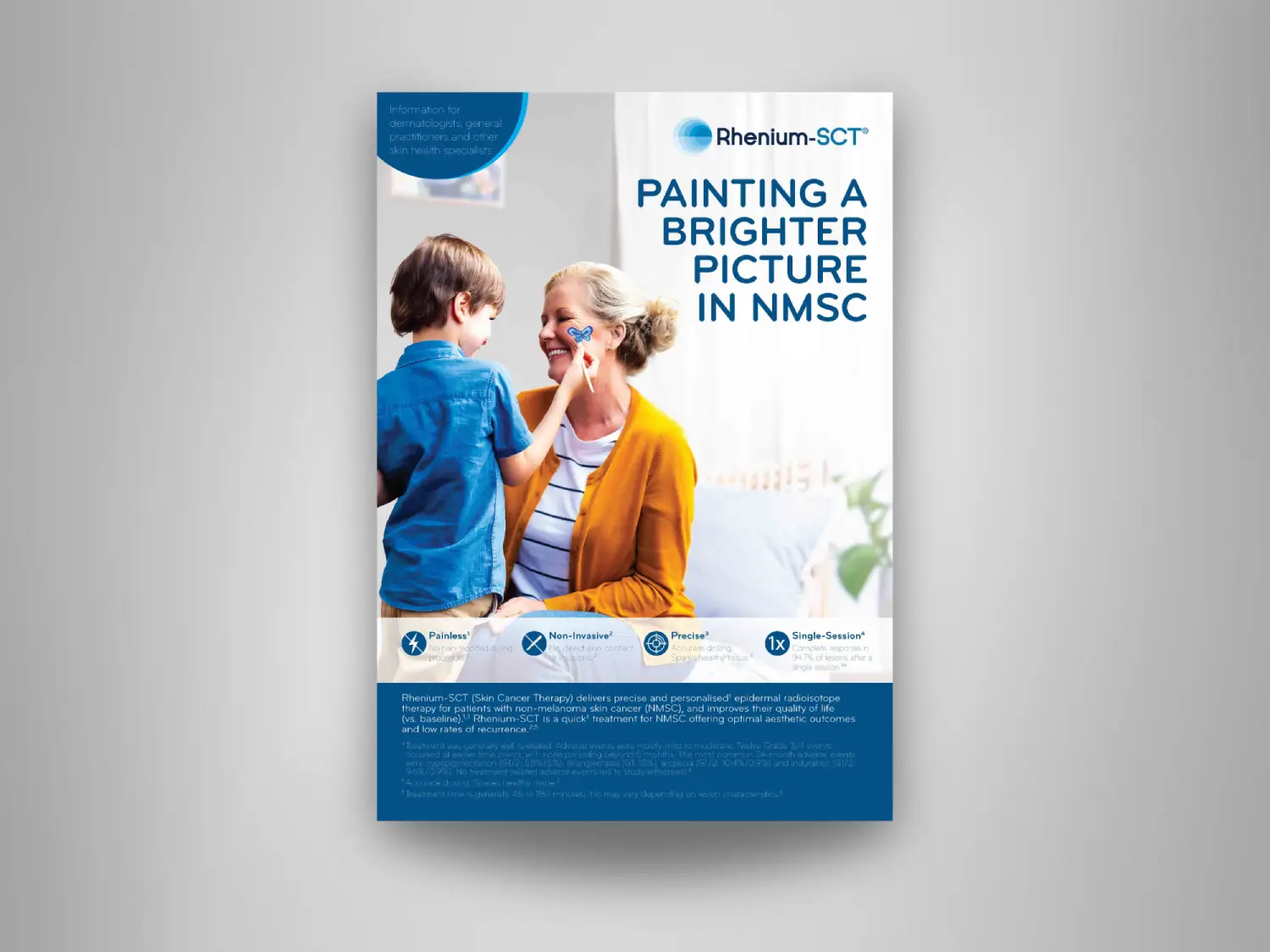
Specialist Brochure
This specialist brochure provides a detailed overview of Rhenium-SCT, including the mechanism of action, clinical evidence, patient selection, and treatment workflow. It is designed to support HCPs in understanding the practical application of Rhenium-SCT in the management of NMSC.
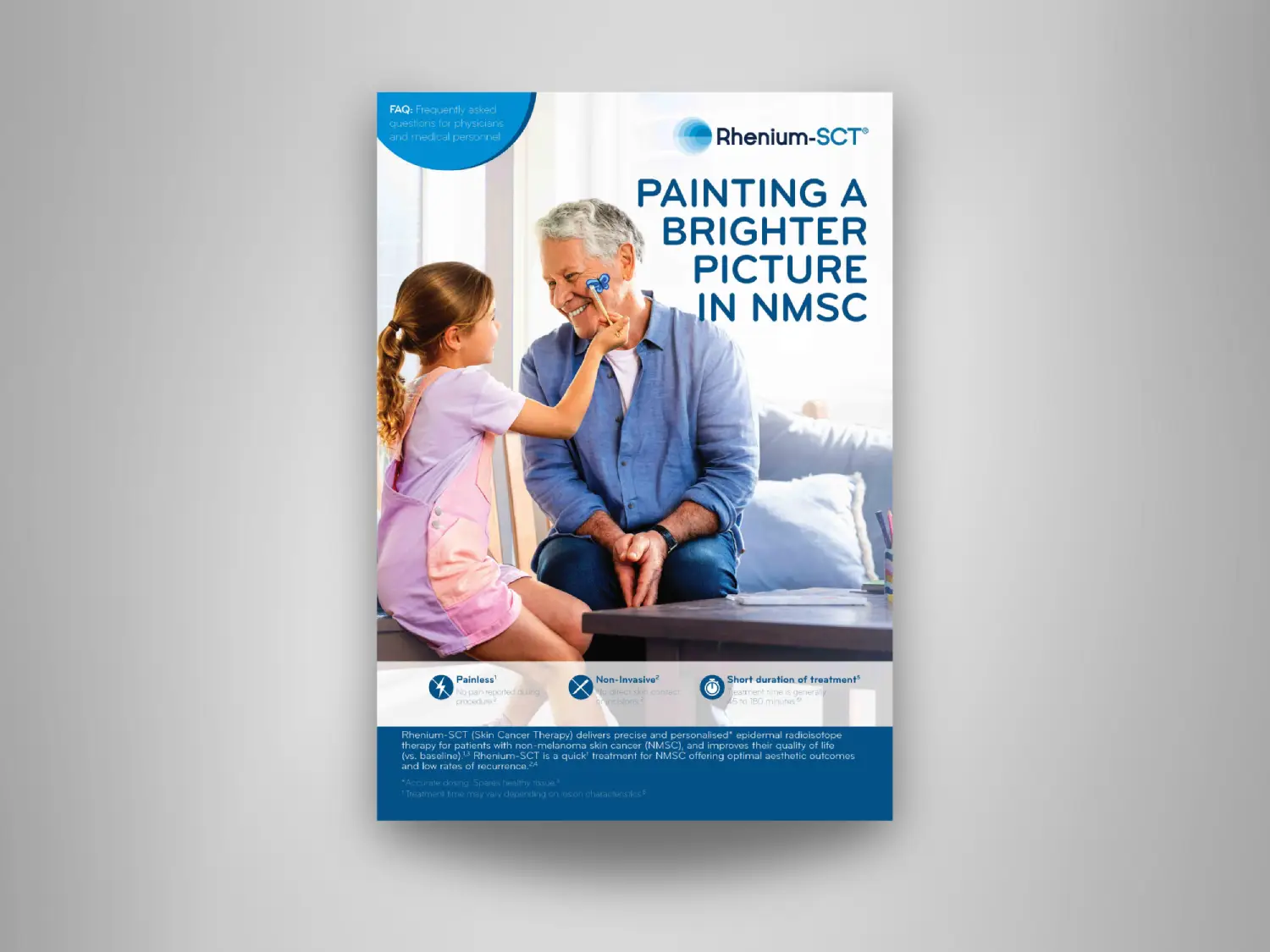
FAQ Booklet
The FAQ booklet addresses common product and treatment questions, offering essential information for GPs, dermatologists, radiation-oncologists, nuclear medicine specialists and other health professionals.
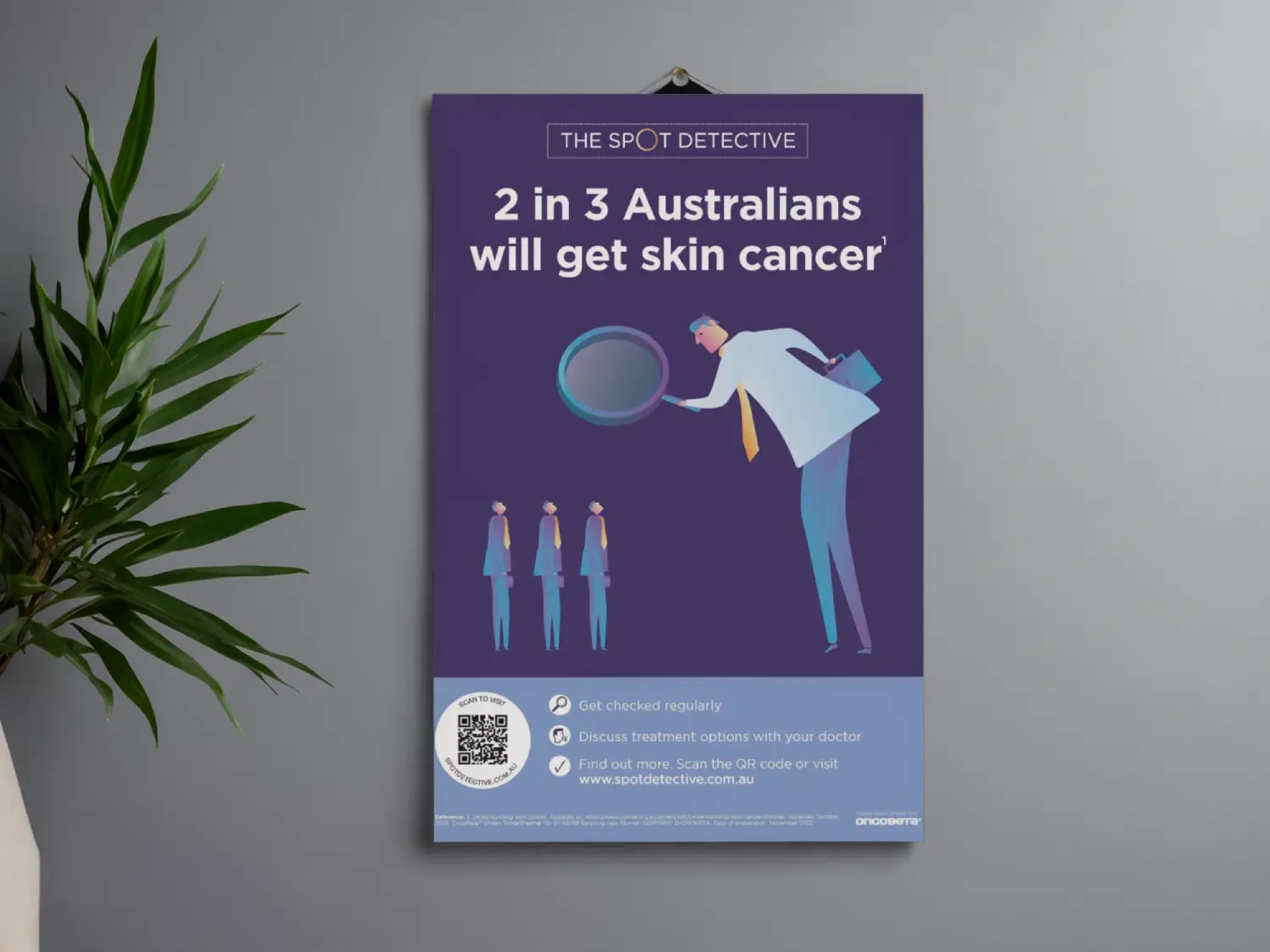
Clinic Poster (2 in 3)
For display in clinic waiting rooms, etc. The “Spot Detective” posters are designed to raise skin cancer awareness, encouraging patients to seek professional advice if concerned about their skin.
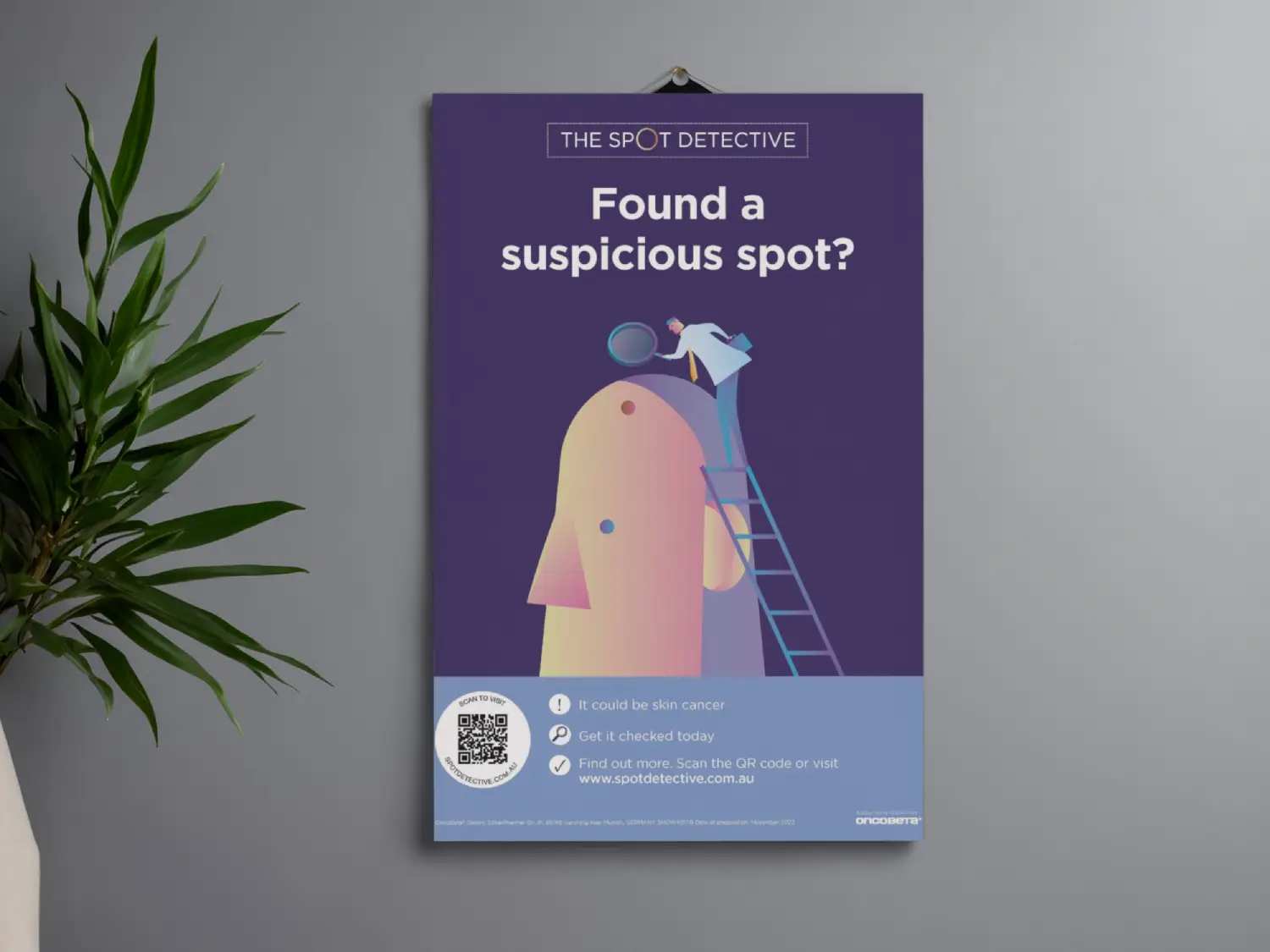
Clinic Poster (Suspicious Spot)
For display in clinic waiting rooms, etc. The “Spot Detective” posters are designed to raise skin cancer awareness, encouraging patients to seek professional advice if concerned about their skin.
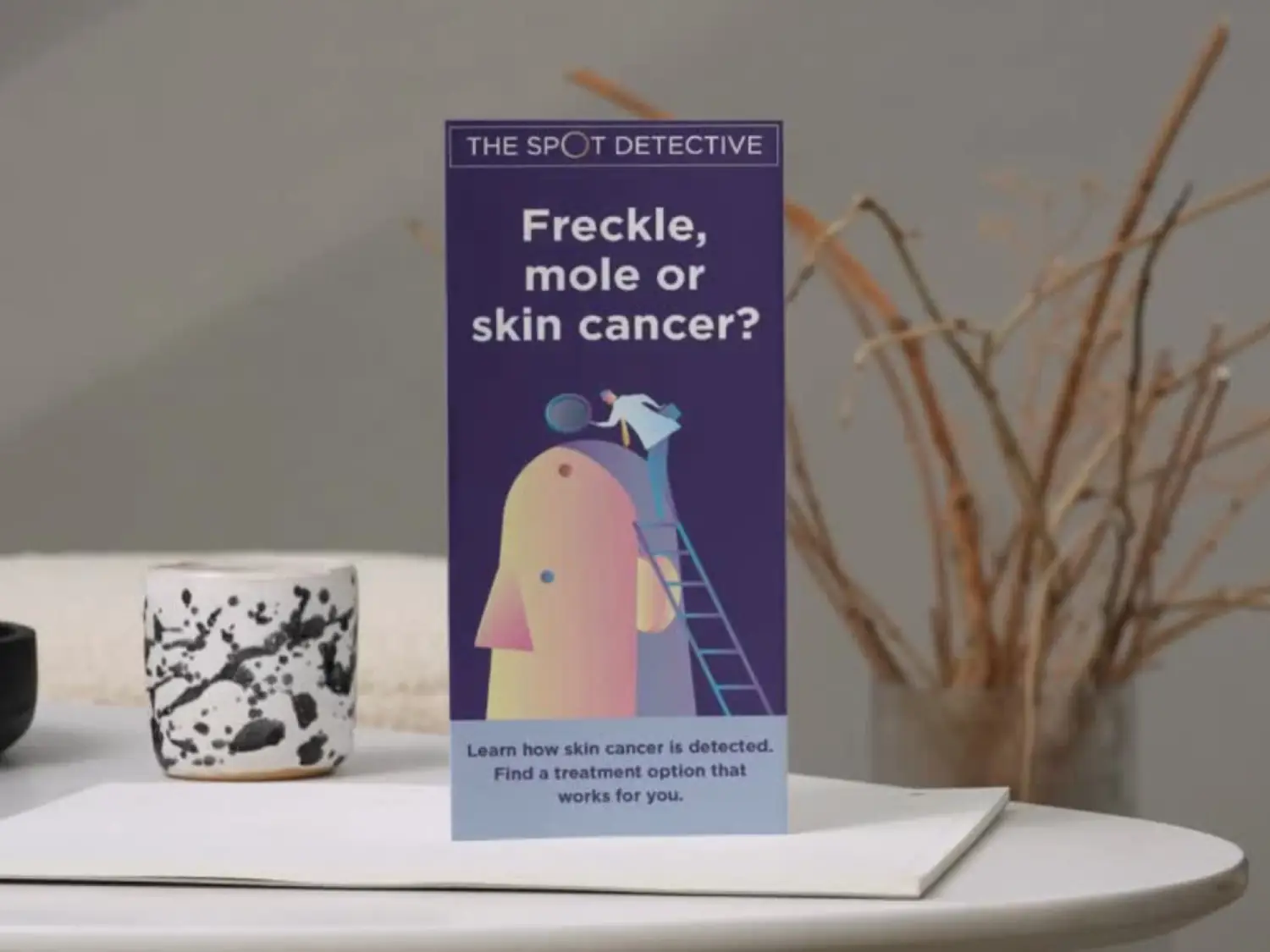
Clinic Leaflets
For display in clinic waiting rooms, etc. The “Spot Detective” leaflets are designed to educate patients on skin health, risks, symptoms, and possible treatments, urging them to seek professional advice if concerned about their skin.
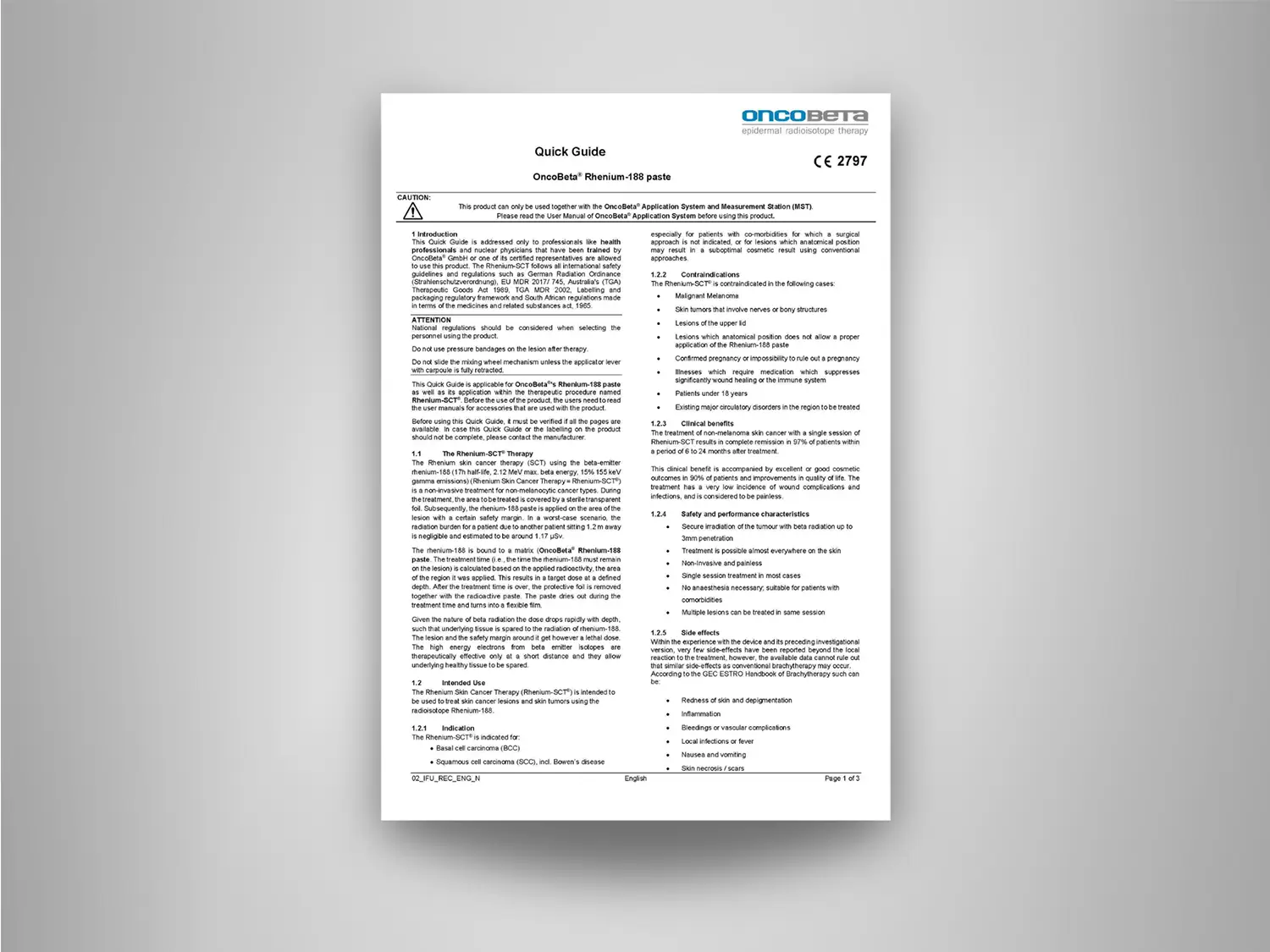
Instructions for Use (Quick Guide)
Are you looking for quick guides, detailed product information and step-by-step instructions for use? Click to view this document.
Instructions for Use (Measurement Station)
Learn how the Measurement Station supports accurate activity measurement during the Rhenium-SCT procedure. This guide covers setup, operation, quality control, safety requirements, and routine maintenance for trained healthcare professionals.
Instructions for Use (Application System)
Explore the complete Application System, including the base station, applicator, and treatment workflow. This guide provides step-by-step instructions for preparing, delivering, and completing the Rhenium-SCT procedure safely and effectively.
Instructions for Use (Dosimetry)
Understand how treatment time is determined using the Dosimetry tool. This guide explains the calculation process, required clinical inputs, and documentation needed to support accurate and consistent treatment planning.
* Rhenium SCT offers a single-session treatment with efficacy comparable to that of traditional radiotherapy modalities.3 [Qualifying statement: Treatment was generally well tolerated. Adverse events were mostly mild to moderate. Twelve Grade 3/4 events occurred at earlier time points, with none persisting beyond 6 months. The most common 24-month adverse events were hypopigmentation (G1/2: 58%/5%), telangiectasia (G1: 15%), alopecia (G1/2: 10.4%/0.9%) and induration (G1/2: 9.6%/0.9%). No treatment-related adverse events led to study withdrawal.]4
† No direct skin contact or incisions.5
‡ No pain reported during procedure.5
§ No disfiguring scarring. Retained functionality in high-risk and difficult to treat areas.1
** Accurate dosing. Spares healthy tissue.8
†† No restriction on anatomical location.8
¶ Treatment time depends on lesion characteristics and may exceed 180 minutes.2
References:
- Cardaci G, et al. Adv Radiat Oncol. 2025;10(7):101802.
- Rhenium-SCT® Instructions For Use, Quick Guide. https://www.oncobeta.com/fileadmin/user_upload/devices/02_IFU_REC_ENG_L.pdf (accessed March 2026).
- Baxi S, et al. J Nucl Med. 2024;00:1–6. DOI: 10.2967/jnumed.124.267988.
- Baxi S, et al. 2026, Rhenium-SCT for non-melanoma skin cancer: Topline Results from EPIC-Skin, An International Phase IV Prospective Single Arm Multi-centre Study, Presentation at The American College Of Radiation Oncology Congress Orlando USA, 6th February 2026.
- Castellucci P, et al. Eur J Nucl Med Mol Imaging. 2021;48(5):1511–1521.
- Sedda AF, et al. Clin Exp Dermatol. 2008;33(6):745–749.
- Cipriani C, et al. In Therapeutic Nuclear Medicine. 2014. RP Baum (Ed), New York: Springer.
- Cipriani C, et al. J Dermatol Treat. 2022;33(2):969–975. Epub 22 Jul 2020.
- Cipriani C, et al. Int J Nucl Med. 2017;114–122.
- Carrozzo AM, et al. Eur J Dermatol. 2013;23(2):183–188.