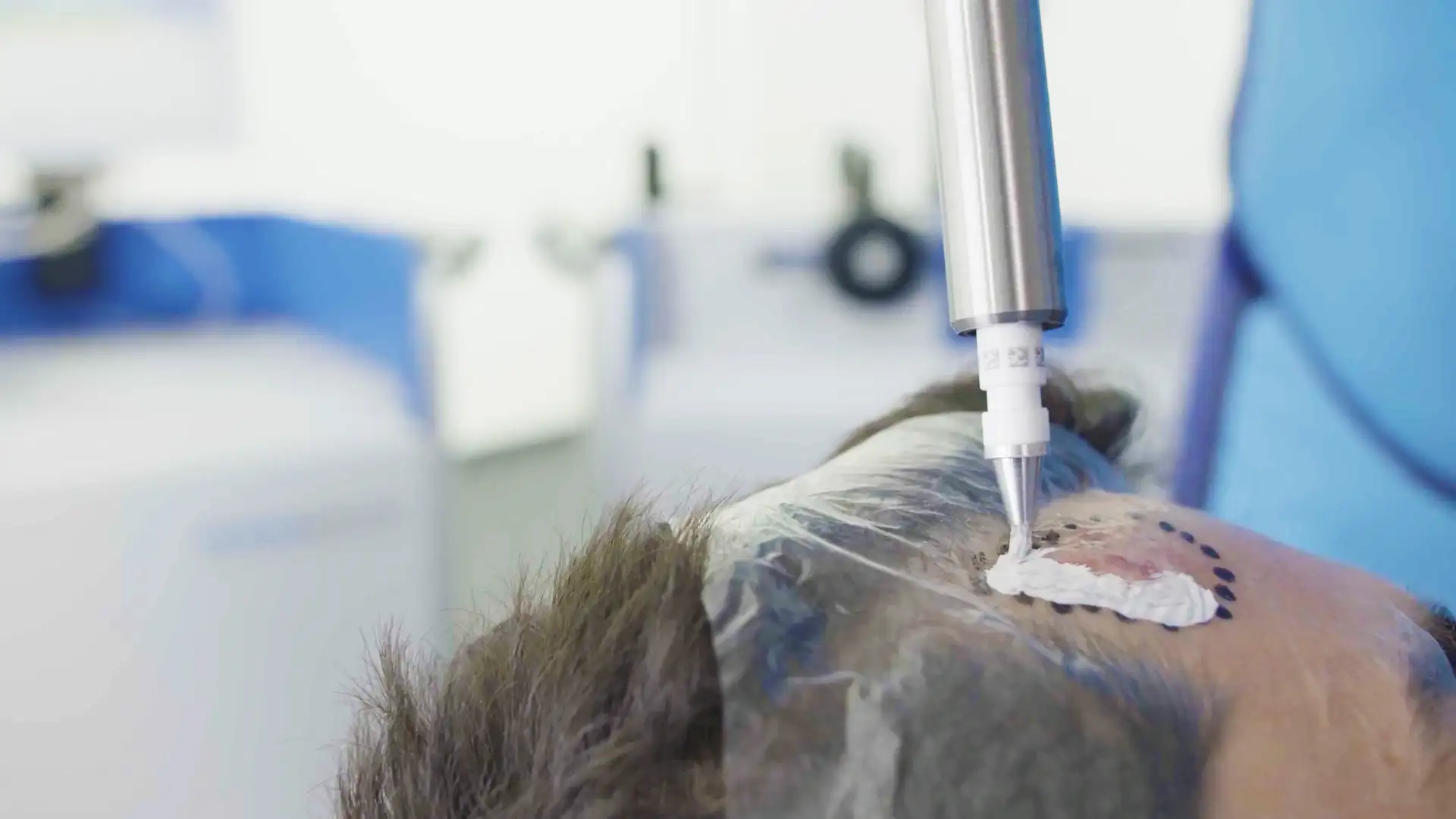
A diagnosis of non-melanoma skin cancer (NMSC) can feel overwhelming, but the good news is that most basal cell carcinomas (BCC) and squamous cell carcinomas (SCC) are successfully treated, particularly when detected early. The most appropriate treatment depends on several factors, including the type, size and location of the cancer, how deeply it has grown, your general health, and your personal treatment preferences.
Your doctor or specialist will recommend a treatment plan tailored to your individual circumstances. In some cases, more than one treatment option may be appropriate, and discussing the benefits and potential risks of each approach can help you make an informed decision.
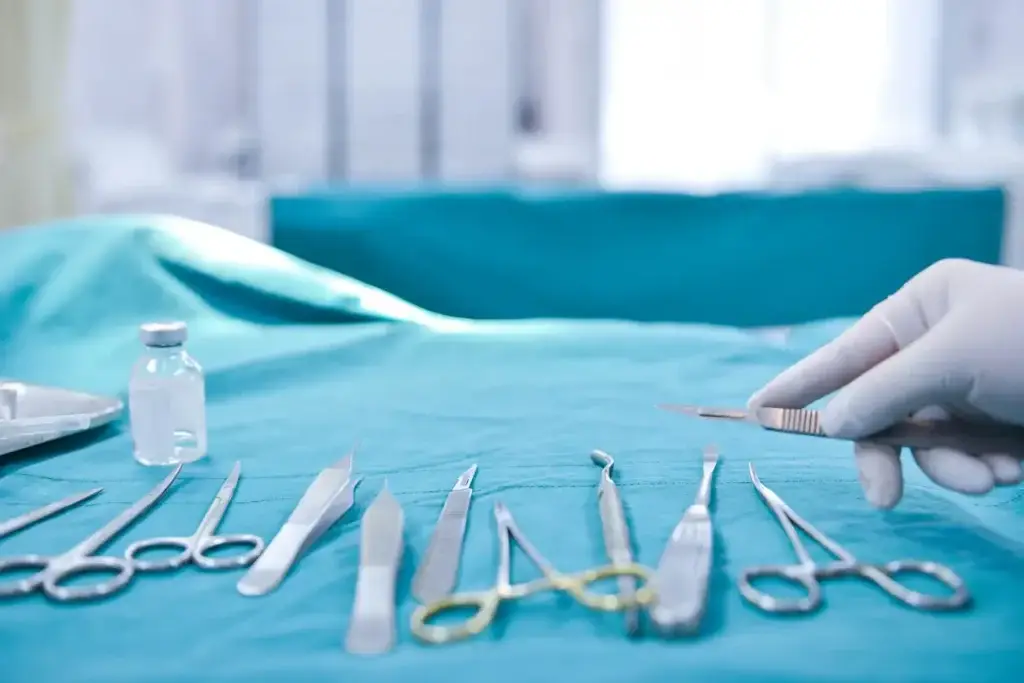
Surgical Treatments
Surgery remains one of the most common treatments for non-melanoma skin cancer. The goal is to completely remove the cancer while preserving as much healthy tissue as possible. Depending on the type, size and location of the lesion, surgical approaches may include standard surgical excision or Mohs micrographic surgery. The most appropriate approach will depend on the individual cancer and the patient’s circumstances.
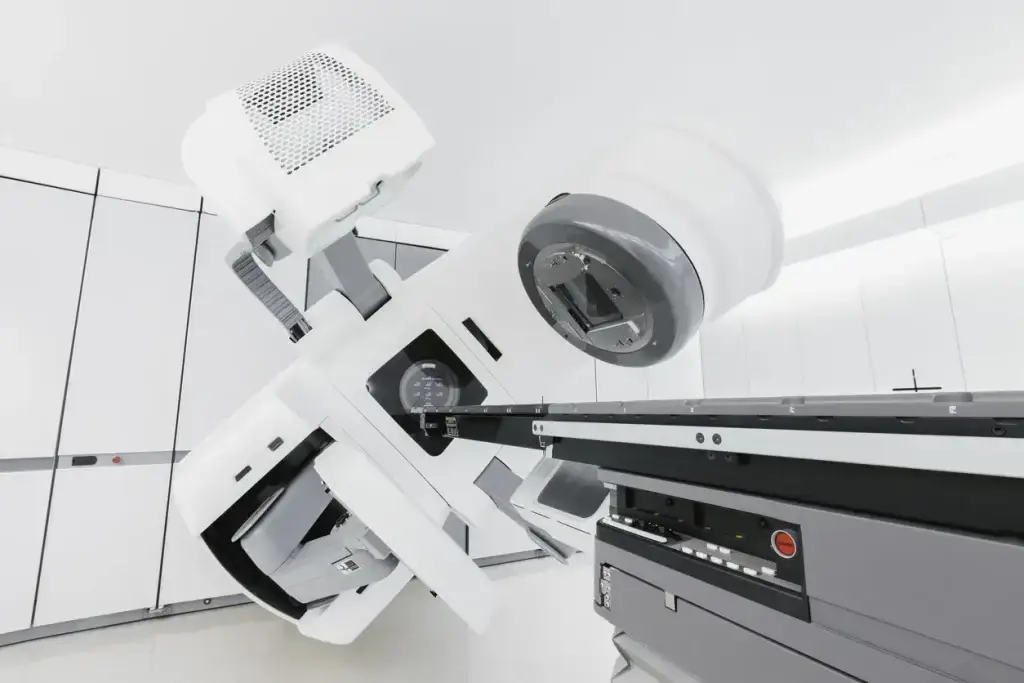
Non-Surgical Treatments
Not all non-melanoma skin cancers require surgical removal. A range of non-surgical approaches can be used to treat selected lesions, including treatments that use radiation or light to target cancer cells.
Depending on the type, size, depth and location of the lesion, options may include external beam radiation therapy (EBRT), photodynamic therapy (PDT), or targeted radiotherapy such as Rhenium-SCT. Your treating specialist will determine which treatment options may be appropriate for your individual diagnosis
Pharmacological Treatments
Medicines may be used to treat non-melanoma skin cancer in selected circumstances. Topical treatments, applied directly to the skin, may be appropriate for certain superficial lesions and can work by stimulating an immune response or targeting abnormal cells.
For more advanced disease, systemic treatments may be considered, including immunotherapies and targeted therapies such as Hedgehog pathway inhibitors. The choice of treatment depends on the type and stage of the cancer and individual patient factors
Choosing the Right Treatment
There is no single treatment that is right for every patient. Your healthcare team will consider a range of factors, including:
- The type of skin cancer (BCC or SCC)
- The size, depth and location of the lesion
- Your age and general health
- Cosmetic and functional considerations
- Previous treatments
- Your personal preferences and lifestyle
The right treatment will depend on both clinical considerations and what matters to you — from treatment effectiveness and potential side effects to comfort, convenience and cosmetic outcomes. Discussing these priorities with your healthcare team can help you make a shared, informed decision about your care.
Talk to Your Healthcare Team
If you have been diagnosed with non-melanoma skin cancer, discuss all available treatment options with your doctor or dermatologist. Understanding the benefits, limitations and expected outcomes of each approach can help you make an informed decision about your care.
This information is intended for educational purposes only and should not replace professional medical advice. Treatment decisions should always be made in consultation with a qualified healthcare professional.
Sources:
- National Cancer Institute. Skin Cancer Treatment (PDQ®) – Patient Version. Available at: https://www.cancer.gov/types/skin/patient/skin-treatment-pdq (accessed August 2026).
- American Academy of Dermatology. Clinical Guidelines for Skin Cancer. Available at: https://www.aad.org/member/clinical-quality/guidelines (accessed August 2026).
- Cancer Council Australia. Treatment for Skin Cancers. Available at: https://www.cancer.org.au/types-of-cancer/skin-cancer/treatment-for-skin-cancers (accessed August 2026).